The Guide to Roppongi Hills: Tokyo’s Vertical City of Art, Style, and Skyline Views
The Guide to Roppongi Hills: Tokyo’s Vertical City of Art, Style, and Skyline Views
When you think of modern Tokyo, images of the neon-lit Shibuya or the historic Asakusa might come to mind. However, for those seeking a sophisticated blend of world-class art, stunning cityscapes, and gourmet dining, Roppongi Hills stands as an undisputed icon. This massive complex is a meticulously planned urban center where you can spend an entire day experiencing the best of Japan’s contemporary culture.
1. Tokyo City View: The Iconic Skyline Perspective
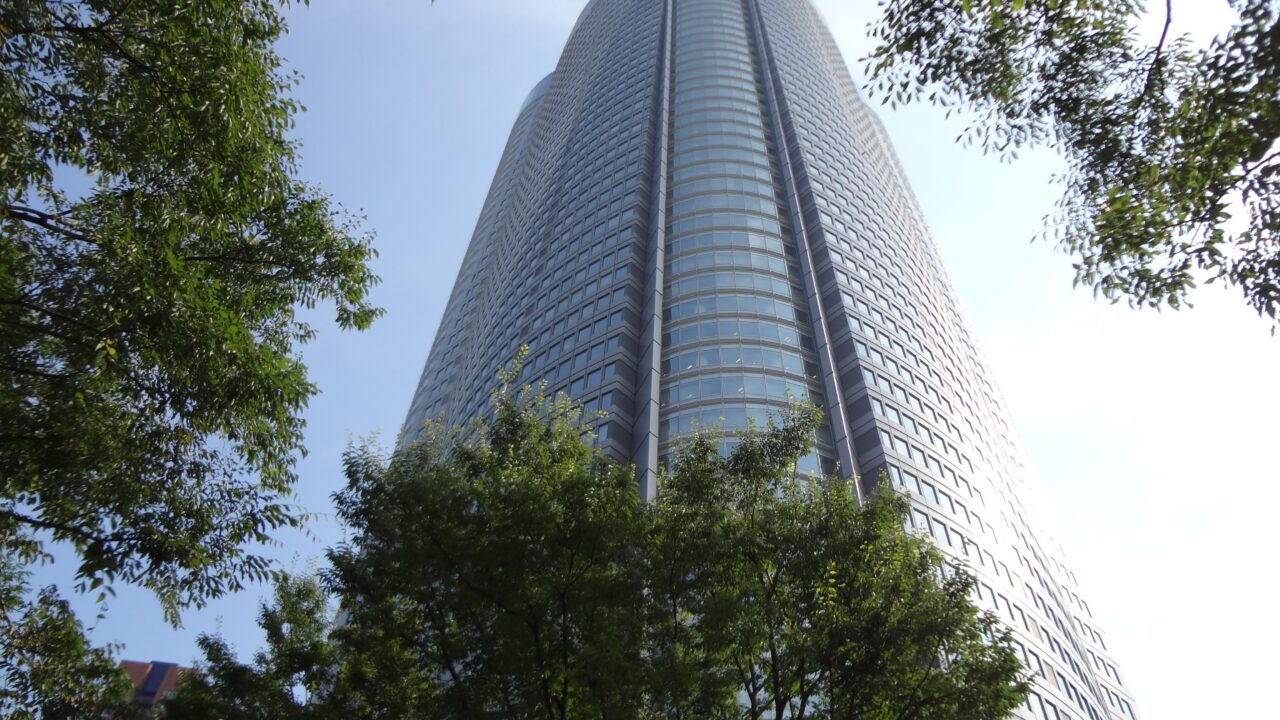
If you visit only one observation deck in Tokyo, let it be Tokyo City View, located on the 52nd floor of the Mori Tower. Standing 250 meters above sea level with 11-meter-high ceilings and floor-to-ceiling glass windows, it offers a breathtaking 360-degree panorama of the entire metropolis.
」の写真-1-1024x682.jpg)
The Best View of Tokyo Tower
What makes this view truly special is its perspective. From here, you are perfectly positioned to see the Tokyo Tower in all its glory. Unlike other decks where it might seem distant, Roppongi Hills puts you right in front of the iconic orange structure. On clear days, you can see as far as Mount Fuji, and at night, the city transforms into a sparkling tapestry of lights.
Sky Deck: Open-Air Thrills
For an even more immersive experience, you can ascend to the Sky Deck on the rooftop. This is one of the few open-air observation decks in Tokyo, where the wind in your hair and the lack of glass barriers provide an unforgettable sense of freedom as you look down upon the human scramble far below.
2. The Art Triangle: Diving into Contemporary Masterpieces
Roppongi is celebrated as the “Art District” of Tokyo, and Roppongi Hills is its heart. The complex is part of the Roppongi Art Triangle, which connects three major museums: the Mori Art Museum, The National Art Center Tokyo, and the Suntory Museum of Art.
Mori Art Museum (53rd Floor)
One of the highest contemporary art museums in the world, the Mori Art Museum focuses on “Art + Life.” It showcases cutting-edge exhibitions ranging from fashion and architecture to digital design. Because it stays open late (often until 10 PM), it is the perfect destination for a cultural evening after watching the sunset.
Public Art and the “Maman” Spider
The art experience isn’t confined to the museum walls. As you walk through the grounds, you’ll encounter six major pieces of public art. The most famous is “Maman,” a giant 10-meter-tall bronze spider sculpture by Louise Bourgeois. This striking landmark serves as a gateway to the complex and is one of the most photographed spots in the area.
3. A Culinary Journey: From Sky-High Dining to Casual Bites
With over 200 shops and restaurants, Roppongi Hills is a paradise for food lovers. Whether you are looking for a Michelin-starred experience or a high-quality casual lunch, the variety is staggering.
Lunch & Cafes for Every Budget
For a delicious yet budget-friendly lunch (around 1,000–2,000 JPY), head to the North Tower or Hillside area.
- The Counter: Famous for its customizable burgers with over a million possible combinations.
- Krung Siam: Authentic Thai cuisine that is a favorite among local office workers for its high satisfaction and reasonable prices.
Dining in the Clouds: THE SUN & THE MOON
On the 52nd floor, you’ll find the cafe/restaurant THE SUN & THE MOON. Designed with the concept of a “Forest in the Sky,” this stylish space allows you to enjoy afternoon tea or a romantic dinner while gazing at the horizon. It is the ultimate luxury to treat yourself to a meal where the “secret ingredient” is the magnificent view of Tokyo.
4. The Perfect Roppongi Hills Itinerary
To make the most of your visit, here is a recommended “Walkable Plan” to experience the hills like a pro:
- 11:00 AM – The Grand Panorama: Start your day at Tokyo City View. Getting there early allows you to capture the city in bright daylight and orient yourself.
- 12:30 PM – Sky-High Lunch: Enjoy a sophisticated meal at THE SUN & THE MOON or explore the diverse food court in the North Tower for a quick bite.
- 2:00 PM – Shopping & Strolls: Browse the West Walk area. Stop by PaperMint for high-design stationery or grab a barista-made coffee at Antico Caffè Al Avis on the 3rd floor.
- 3:30 PM – Nature & TV: Walk down to Mohri Garden, a beautiful traditional Japanese garden that offers a peaceful escape. Right next to it is the headquarters of TV Asahi, where you can see displays of popular Japanese shows like Doraemon.
- 5:00 PM – Art Immersion: End your day at the Mori Art Museum to see the latest global contemporary art.
- 7:00 PM – Souvenirs & Gifts: Before leaving, visit the Food & Gift area in the North Tower. Pick up seasonal fruit sandwiches from Ginza Senpikiya or beautiful Japanese sweets from Wagashi Yui.
5. Essential Information & Access
- Access: Directly connected to Roppongi Station (Exit 1C) on the Tokyo Metro Hibiya Line. It is also a 4-minute walk from the Toei Oedo Line Roppongi Station (Exit 3).
- Time Required: To truly enjoy the observatory, museum, and a meal, plan to spend about 4 hours.
- Pro Tip: During the winter months (November–December), don’t miss the Keyakizaka Illumination. The street behind the hills turns into a blue-and-white wonderland, with Tokyo Tower glowing perfectly at the end of the road.
Roppongi Hills is a place where nature, art, and the future of urban design coexist. It’s a refreshing destination that reminds us that even in the busiest city in the world, there are pockets of incredible beauty and inspiration waiting to be discovered.