Beyond Sightseeing: Immersive Experiences and Traditional Crafts in Asakusa & Kuramae
Asakusa is famous for its ancient temples and vibrant street food, but to truly understand the “Iki” (chic and gritty spirit) of Tokyo’s old downtown, you need to get your hands dirty. From the retro screams of Japan’s oldest amusement park to delicate glass-cutting workshops, here is how you can experience Asakusa with all five senses.
1. Retro Thrills at “Asakusa Hanayashiki”: Japan’s Oldest Amusement Park
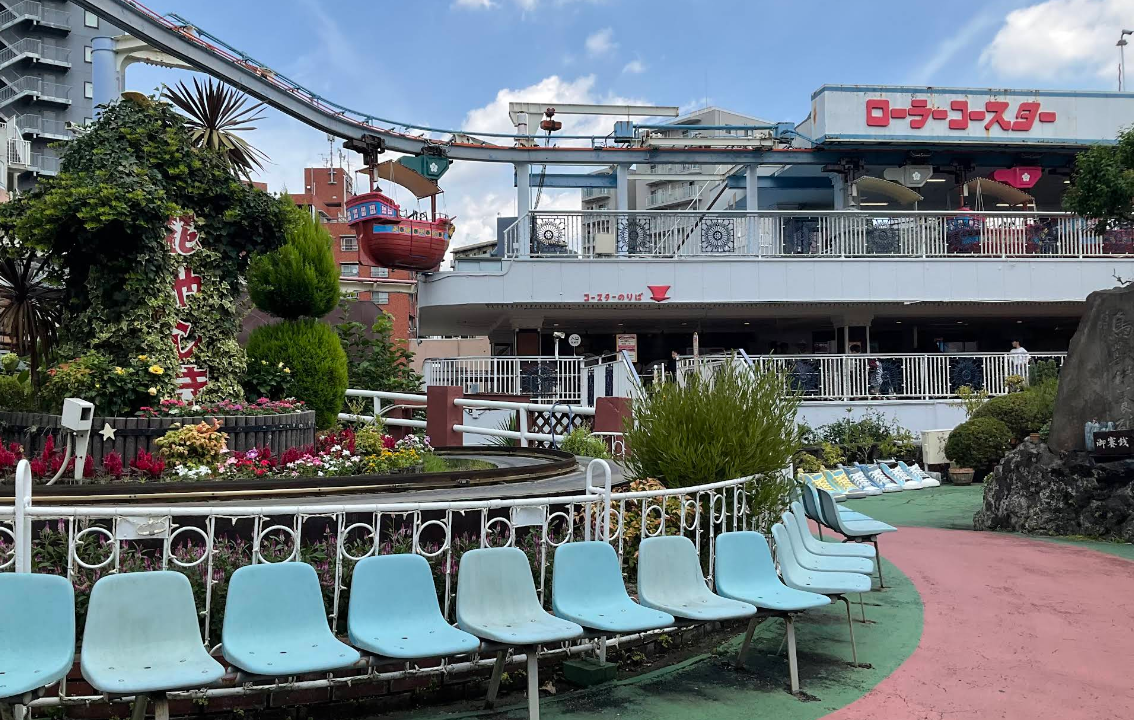
Step through the gates of Asakusa Hanayashiki, and you step back in time. Opened in 1853 (the Edo period), this is the oldest amusement park in Japan, boasting over 170 years of history. It is a charming mix of Showa-era nostalgia and modern technology.
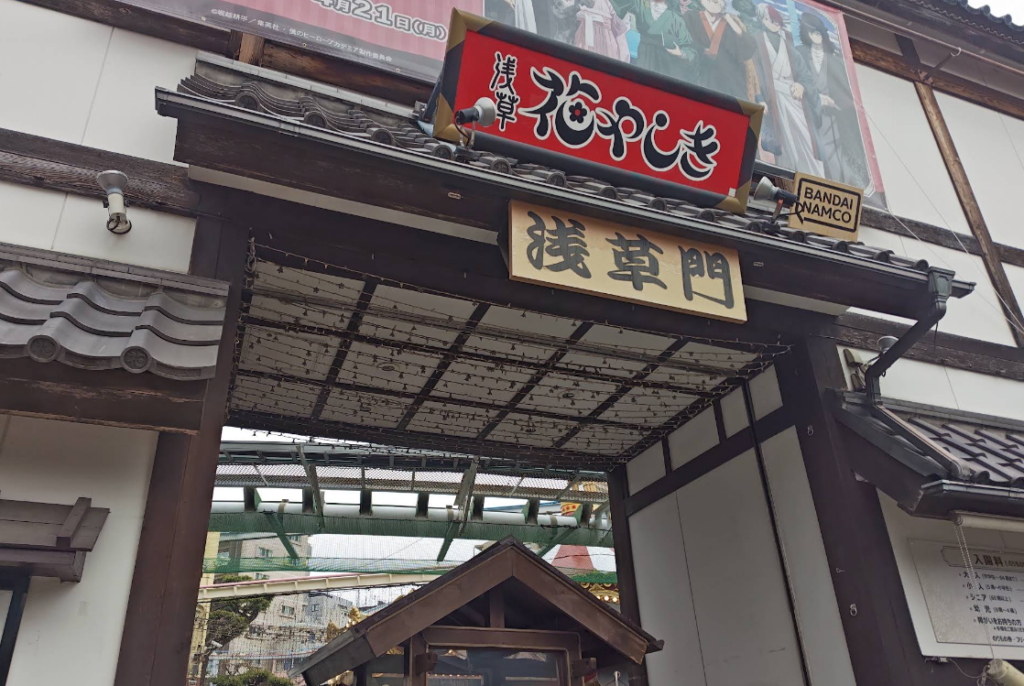
GoogleMAP:Asakusa Hanayashiki
- The Legendary Roller Coaster: You cannot miss the oldest existing roller coaster in Japan (built in 1953). While its top speed of 42km/h (26mph) sounds modest, the thrill comes from how close it flies past the park’s walls and buildings. It’s a unique, heart-pounding experience you won’t find at modern mega-parks.
- Instagrammable Classics: The park is a goldmine for vintage aesthetics. From the crimson and gold Merry-Go-Round to the adorable Panda Cars (mechanical pandas you can ride around the park), every corner offers a perfect photo op.
- Modern Magic: Hanayashiki also embraces the future with AR (Augmented Reality) attractions like “Maka Fushigi!? Scoop Photographer,” where you use digital devices to hunt for Japanese Yokai (monsters) hidden throughout the park.
2. Master the Craft: Traditional Artisan Workshops
Asakusa is the heart of Edo craftsmanship. Many studios allow you to sit at the craftsman’s bench and create your own masterpiece.
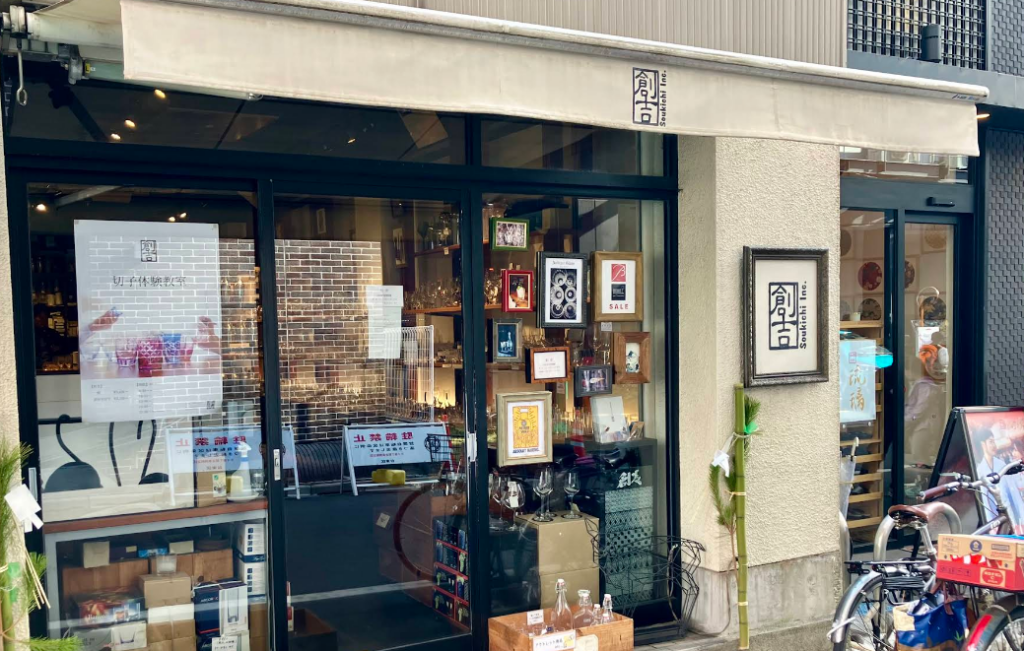
- Edo Kiriko (Cut Glass): This traditional craft dates back to 1834. At Glass Factory Sokichi or Kiriko Ohjima, you can try your hand at carving intricate patterns into colored glass using a diamond wheel. Watching the light catch the facets of a glass you made yourself is a memory that lasts a lifetime.
GoogleMAP: Glass Factory Sokichi
GoogleMAP:Kiriko Ohjima
- Amezaiku (Candy Sculpting): At Ameshin, you can learn the 8th-century art of candy sculpting. Using only a pair of traditional scissors, you must shape hot, melted taffy into an animal before it hardens in just a few minutes. It is a race against time and a true test of dexterity!
GoogleMAP:Ameshin
- Taiyaki Making & Goldfish Scooping: For a taste of “Shitamachi” (downtown) culture, head to Asakusa Taiyaki Kobo Guraku to bake your own fish-shaped cake from scratch. Afterward, visit Asakusa Kingyo for a game of Kingyo-sukui (goldfish scooping)—a classic Japanese festival activity you can enjoy year-round in a beautiful cypress-wood setting.
GoogleMAP:Asakusa Taiyaki Kobo Guraku
GoogleMAP:Asakusa Kingyo
3. Kuramae & Kappabashi: Modern Making & Food Art
A short walk from the temple brings you to Kuramae, often called the “Brooklyn of Tokyo,” and Kappabashi, the world-famous kitchen district.
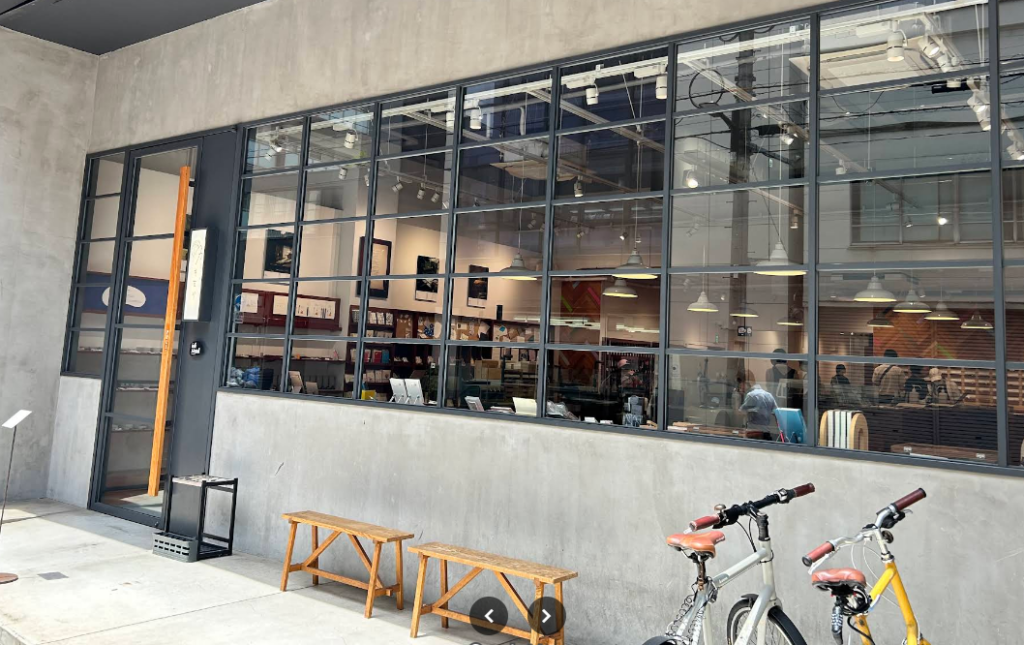
- Custom Notebooks at Kakimori: In Kuramae, Kakimori is a sanctuary for stationery lovers. Here, you can select the cover, paper, rings, and clasp to assemble a one-of-a-kind notebook. They even have a “testing fountain” where you can mix your own custom ink colors.
GoogleMAP:Kakimori
- Natural Dyeing at MAITO: Experience the beauty of nature at MAITO. This workshop focuses on Kusaki-zome (botanical dyeing), using only natural ingredients like plants and bark to dye scarves and clothing. It’s a slow, sustainable way to create a souvenir.
GoogleMAP:MAITO
- Food Sample Making at Kappabashi: At Sato Sample in the nearby Kappabashi Kitchen District, you can create hyper-realistic “food samples”—the wax or plastic food models seen in Japanese restaurant windows. Making a realistic head of lettuce or a bowl of tempura is surprisingly fun and technical!
GoogleMAP:Sato Sample
Summary: Deepen Your Connection to Asakusa
Visiting Asakusa is wonderful, but experiencing it is unforgettable. By riding the 70-year-old coaster at Hanayashiki, carving a glass, or dyeing a scarf in Kuramae, you connect with the “Monozukuri” (making things) spirit that has defined this city for centuries.
Travel Tip: Many of these workshops require advanced booking, especially on weekends. We recommend checking their websites and making a reservation to ensure your spot. Use your hands, learn a skill, and take home a piece of Tokyo’s soul!
カフェ-食べログ-320x180.jpg)