The Ultimate Ramen Guide: 5 Must-Try Shops at Tokyo Ramen Street
The Ultimate Ramen Guide: 5 Must-Try Shops at Tokyo Ramen Street
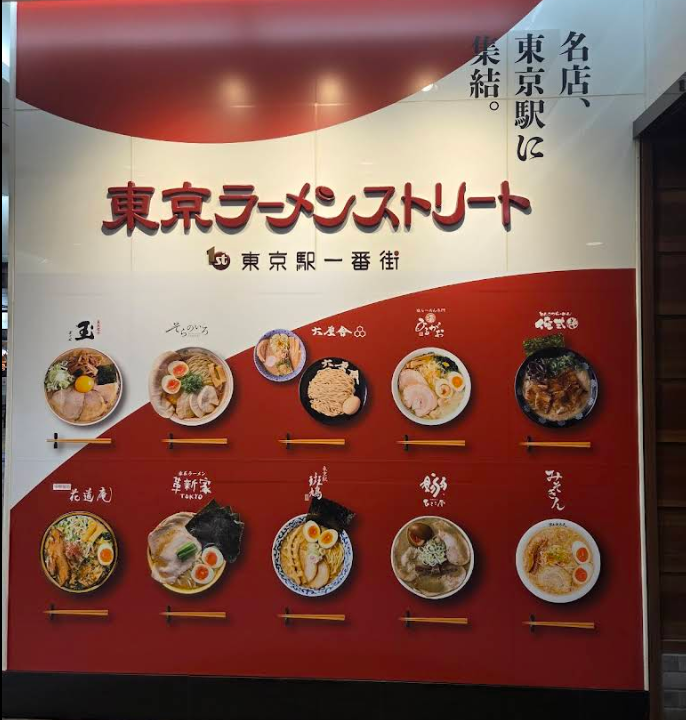
Located in the basement of Tokyo Station (First Avenue Tokyo Character Street area), Tokyo Ramen Street is a world-class gathering of elite ramen shops. To help you navigate the variety, we’ve hand-picked five shops that represent the diverse “DNA” of Japanese ramen—from rich seafood broths to vegan-friendly bowls.
1. Rokurinsha (六厘舎)
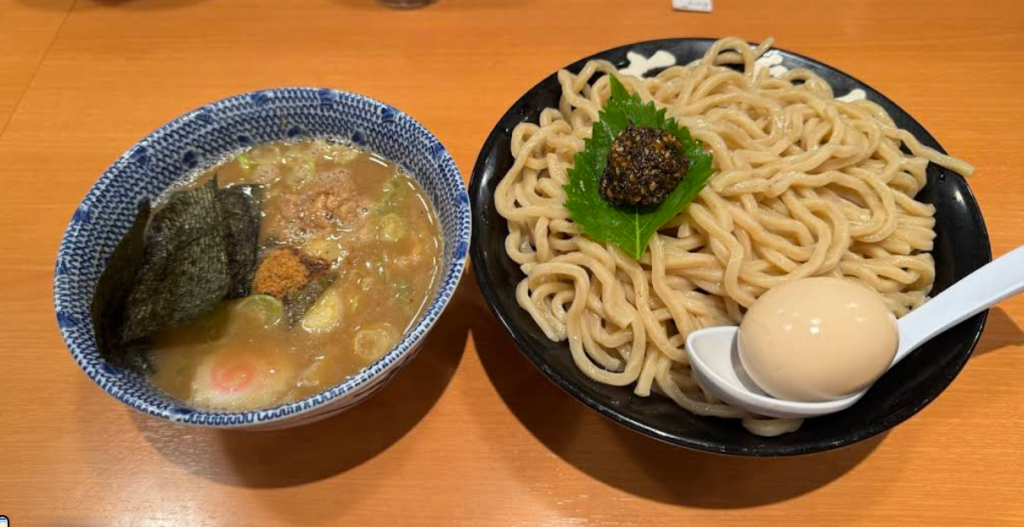
The King of Extra-Thick Tsukemen
Rokurinsha is the legendary shop that sparked the nationwide “Tsukemen” (dipping noodle) craze in Japan. Expect a line, but it’s worth the wait.
- The Flavor: A super-rich, velvety soup made by simmering seafood and pork bones for hours. The noodles are incredibly thick and chewy, designed to grab as much broth as possible.
- The Hack: They open at 7:30 AM! Try their “Asa-tsuke” (Morning Tsukemen), which is slightly lighter and perfect for a powerful breakfast before your travels.
- Vibe: Bold, hearty, and quintessentially Japanese.
2. Soranoiro NIPPON (そらのいろ NIPPON)
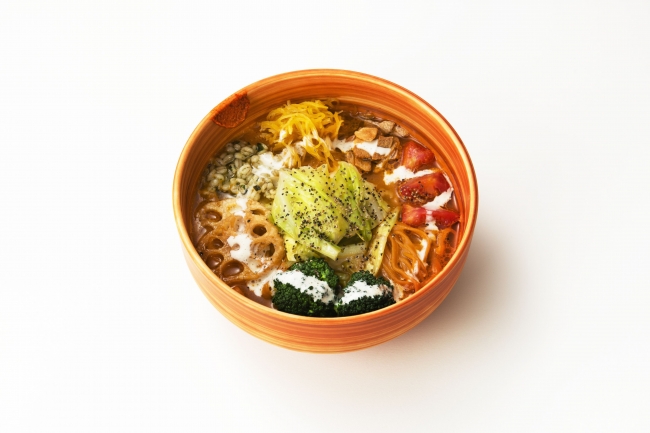
The Innovative & Healthy Choice
Soranoiro has redefined ramen by creating a bowl that is as healthy as it is delicious. It was even featured in the Michelin Guide for its innovative approach.
- The Flavor: Their signature “Veggie Soba” features a vibrant orange broth made from carrots and cabbage, with noodles infused with bell peppers.
- The Hack: They offer Vegan and Vegetarian-friendly menus, making this the best spot for those with dietary preferences who still want an authentic ramen experience.
- Vibe: Modern, bright, and welcoming.
3. Tokyo Station Ikaruga (東京駅 斑鳩)
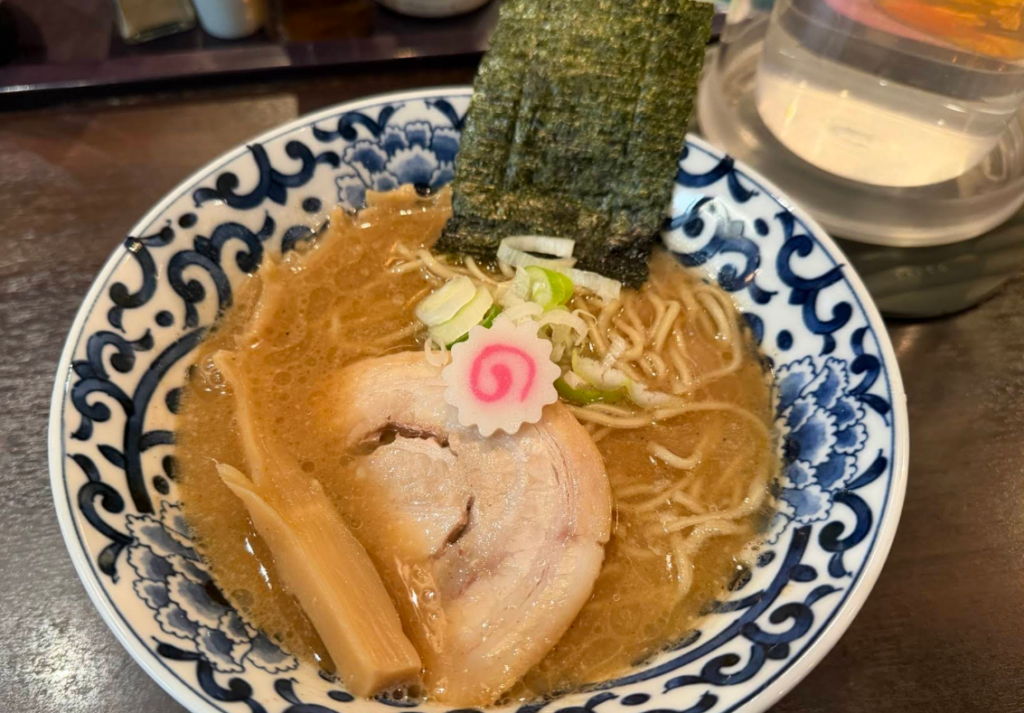
The Master of Elegant Balance
Ikaruga is famous for its sophisticated “Double Soup,” a harmonious blend of creamy pork bone broth and smoky seafood dashi.
- The Flavor: The soup is incredibly smooth and refined, avoiding the heavy oiliness found in some other shops. It’s the perfect “goldilocks” ramen—not too heavy, not too light.
- The Hack: Look for the Tokyo Station Exclusive menu items, which offer special toppings and flavors found nowhere else in the city.
- Vibe: Stylish and calm, great for those who want a premium dining feel.
4. Tokyo Niboshi Ramen Gyoku (東京煮干し らーめん玉)
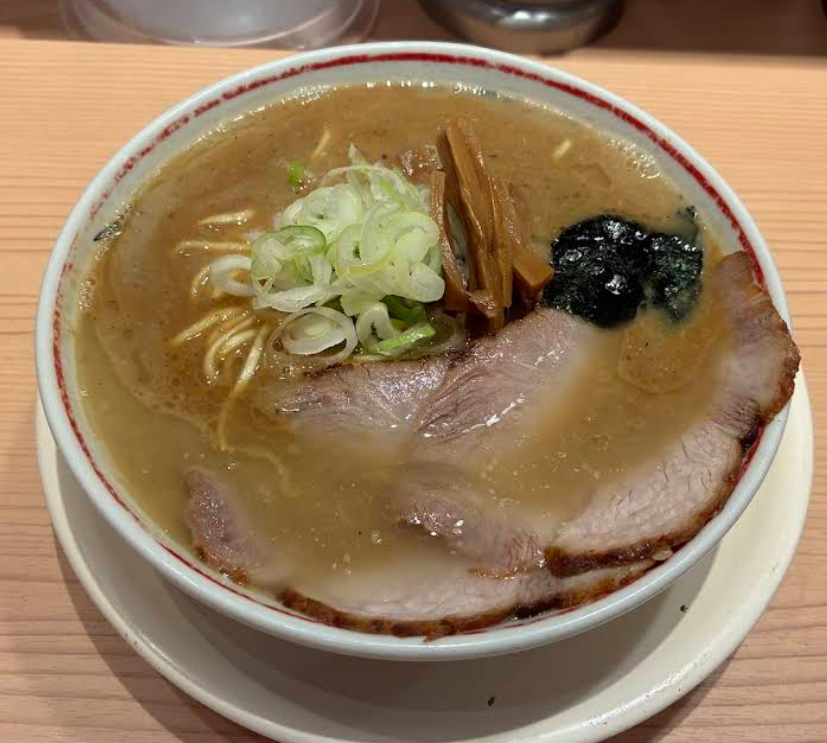
The Essence of Japanese Umami (Dashi)
If you want to experience the true soul of Japanese seafood broth, go to Gyoku. They specialize in Niboshi (dried sardines), a staple of traditional Japanese cooking.
- The Flavor: A deeply aromatic soup that combines chicken umami with the bold, savory punch of dried fish.
- The Hack: Order the version with freshly shaved bonito flakes (Katsuobushi) on top. Watch them “dance” in the steam and enjoy the incredible aroma that fills the air.
- Vibe: Traditional yet energetic.
5. Shio-Ramen Hirugao (塩らーめん専門 ひるがお)
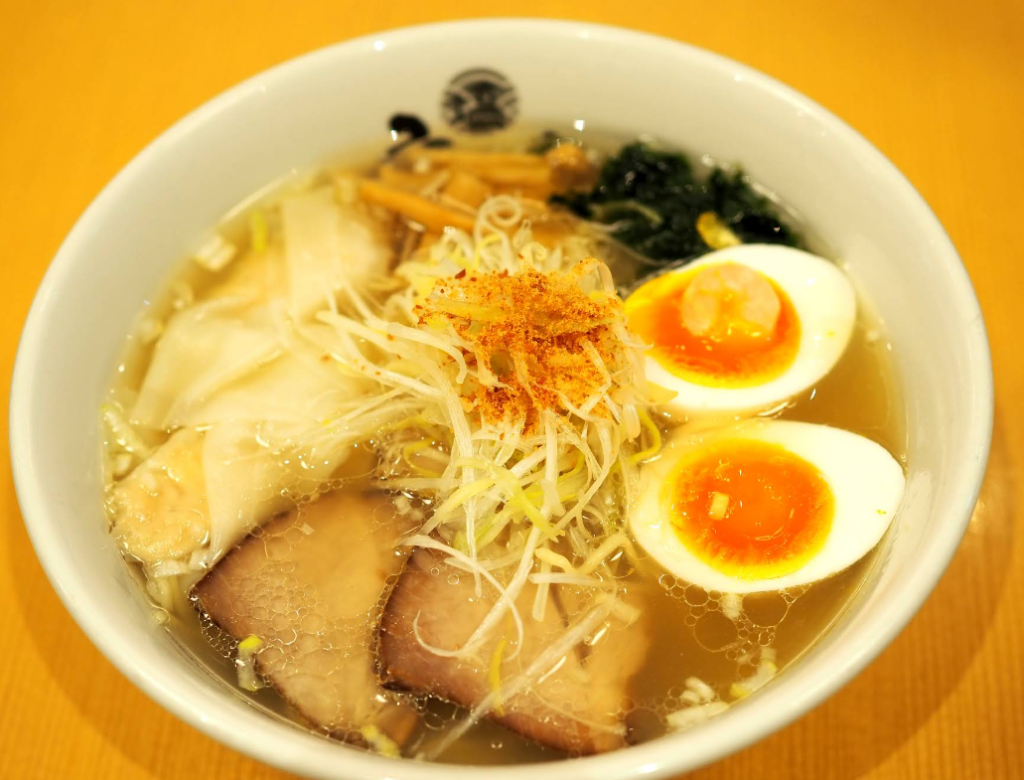
The Golden Standard of Light Ramen
For those who prefer a clean, delicate, and refreshing taste, Hirugao is the top choice. They specialize in Shio (salt-based) ramen.
- The Flavor: A beautiful, transparent golden broth made from chicken and premium seafood like scallops and dried shrimp. It’s light on the stomach but packed with deep, layered flavors.
- The Hack: This is the perfect choice if you want to enjoy ramen without feeling overly full or “heavy” afterward.
- Vibe: Elegant and serene.
Quick Guide for Ramen Street Beginners
| Shop | Style | Highlight | Vibe |
| Rokurinsha | Dipping (Tsukemen) | Extra Thick Noodles | Intense & Famous |
| Soranoiro | Veggie / Vegan | Healthy & Innovative | Friendly & Light |
| Ikaruga | Pork & Seafood | Sophisticated Balance | Premium & Smooth |
| Gyoku | Dried Sardine | Fresh Bonito Flakes | Umami-Rich |
| Hirugao | Salt (Shio) | Golden Clear Broth | Delicate & Clean |
TOKYOTRAVELHACKS: How to Order Like a Pro
- The Vending Machine: Almost all shops use a ticket machine at the entrance. Most have English buttons and photos. Insert your cash/IC card first, select your ramen, and take the ticket to the staff.
- Timing is Everything: Lunch (12:00 PM – 1:30 PM) and Dinner (6:00 PM – 8:00 PM) are the busiest. To avoid long lines, try visiting around 10:30 AM or 3:00 PM.
- The “Soup-wari”: If you eat Tsukemen (at Rokurinsha), don’t drink the leftover thick sauce! Ask the staff for “Soup-wari”—they will add hot dashi to your bowl so you can enjoy it as a delicious, drinkable soup at the end.