Artistic Shibuya: 5 Must-Visit Museums and Galleries Beyond the Scramble
Artistic Shibuya: 5 Must-Visit Museums and Galleries Beyond the Scramble
Shibuya is the pulse of Tokyo’s youth culture, but it’s also a treasure trove for art lovers. Whether you want to escape the crowds in a Zen garden or dive into the mind of a legendary avant-garde artist, these five spots offer a sophisticated look at Japan’s creative soul.
1. Nezu Museum
A Masterpiece of Art, Architecture, and Nature
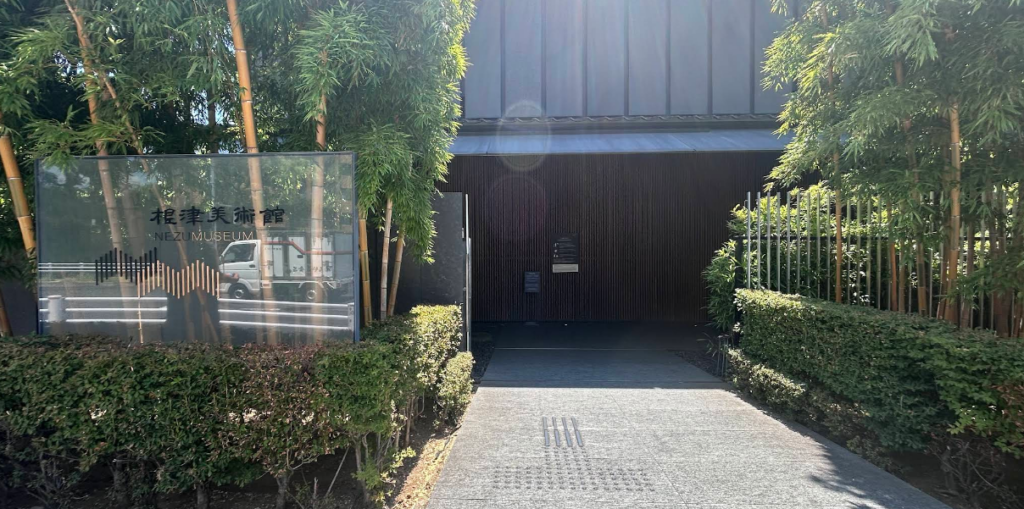
If you want to experience the essence of Japanese aesthetics, the Nezu Museum is unmissable. Located in the stylish Minami-Aoyama area (just a short walk from Omotesando), it houses the private collection of Nezu Kaichiro, a pre-war industrialist.
- The Collection: It features over 7,400 works of pre-modern Japanese and East Asian art, including exquisite National Treasure-level folding screens, calligraphy, and tea ceremony utensils.
- The Architecture: The entrance is a stunning, long bamboo-lined walkway designed by world-renowned architect Kengo Kuma. It’s one of the most photographed spots in Tokyo.
- The Garden: The highlight for many is the massive private Japanese garden. It’s a lush, hilly oasis with tea houses, stone lanterns, and a pond. It feels like you’ve stepped into a mountain forest in the middle of the city.
- Why foreigners love it: It offers a “Full Zen Experience”—the perfect combination of high art, modern architecture, and a peaceful garden stroll.
GoogleMAP:Nezu Museum
2. Taro Okamoto Memorial Museum
The Energy of an Avant-Garde Legend
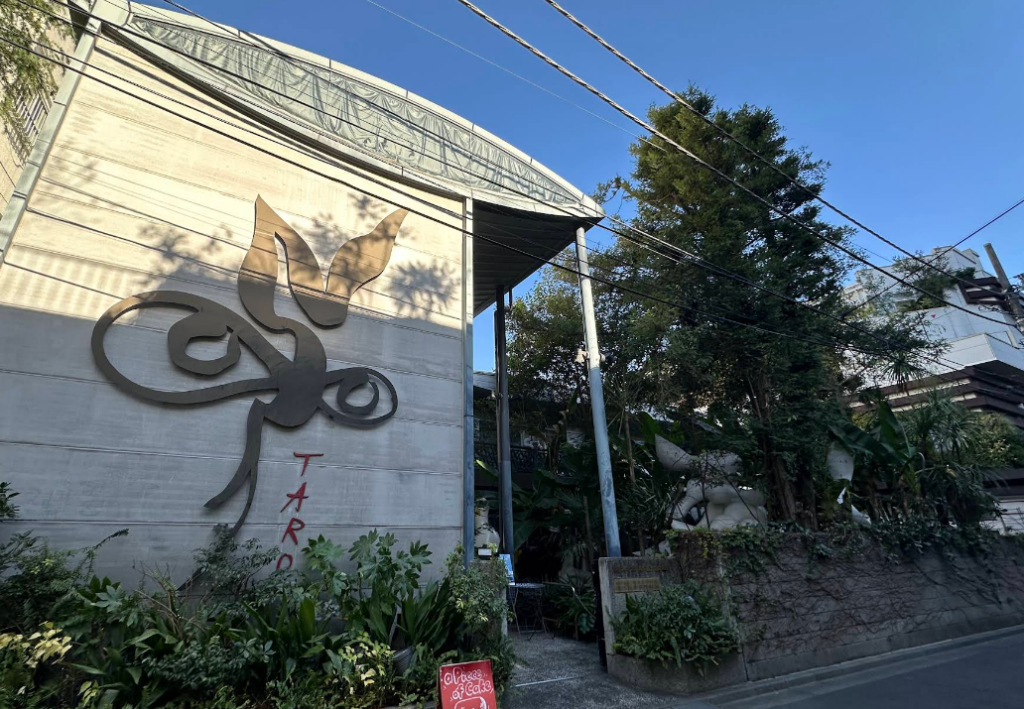
Taro Okamoto is perhaps Japan’s most famous modern artist, known for his explosive style and the iconic “Tower of the Sun.” This museum was his former home and studio where he lived and worked for 50 years.
- The Experience: Unlike traditional museums, this is an intimate space where you can see his brushes, unfinished canvases, and legendary sculptures exactly where he left them.
- The Jungle Garden: The small garden is packed with his whimsical, surrealist sculptures peeking out from dense tropical plants. It’s colorful, loud, and incredibly “Instagrammable.”
- Why foreigners love it: Taro’s motto was “Art is Explosion!” His works are bold, fun, and require no translation. It’s a high-energy spot that feels incredibly personal.
GoogleMAP:Taro Okamoto Memorial Museum
3. Yamatane Museum of Art
The Beauty of Traditional Japanese Painting (Nihonga)
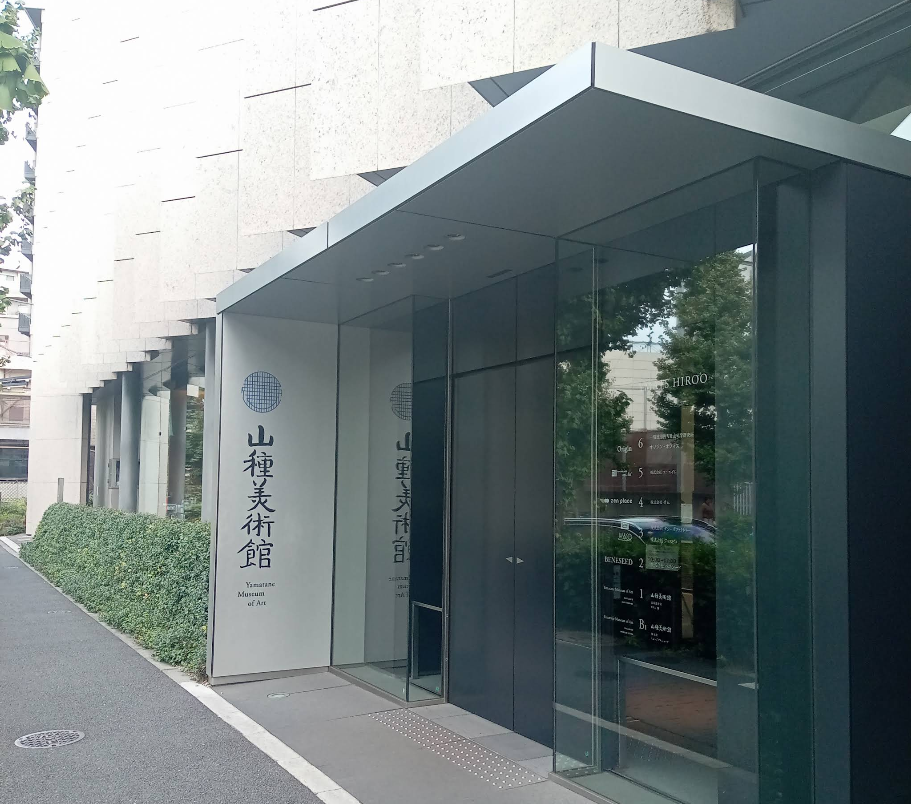
Located near the Ebisu/Hiroo area, this is the first museum in Japan to specialize in Nihonga (modern Japanese-style paintings made with natural pigments like minerals, shells, and gold).
- The Art: The museum focuses on seasonal beauty—cherry blossoms in spring, autumn leaves, and delicate landscapes. The colors are unique because they are made from crushed gemstones and minerals.
- The Cafe (Cafe Tsubaki): This is a must. The museum’s cafe serves original Wagashi (Japanese sweets) that are custom-made to match the paintings currently on display.
- Why foreigners love it: It’s the best place to understand the “colors of Japan.” It’s quiet, elegant, and the tea-and-sweet experience makes the art visit feel like a special ritual.
GoogleMAP:Yamatane Museum of Art
4. Tokyo Metropolitan Museum of Photography (TOP Museum)
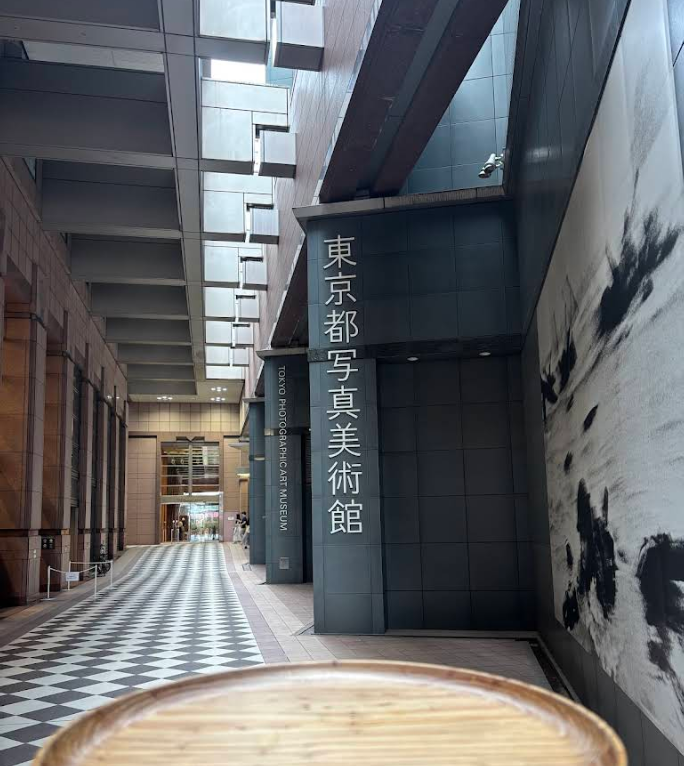
A World-Class Lens on Visual Culture
Situated in the beautiful Ebisu Garden Place, this is one of the few museums in the world dedicated entirely to photography and moving images.
- The Content: The museum hosts rotating exhibitions featuring both world-famous international photographers and cutting-edge Japanese artists. It covers everything from historical documentary photos to experimental digital media.
- The Library: They have an incredible collection of photography books that visitors can browse, making it a hub for visual creators.
- Why foreigners love it: Photography is a universal language. The curation is always world-class, and the surrounding Ebisu Garden Place is a great spot for a European-style lunch or a walk.
GoogleMAP:Yamatane Museum of Art
5. The Shoto Museum of Art
An Architectural Hidden Gem

Tucked away in Shoto, one of Tokyo’s most exclusive residential neighborhoods, this museum is as famous for its building as it is for its art.
- The Architecture: Designed by the “mystic” architect Seiichi Shirai, the building is made of reddish Korean granite and features a central fountain under a dramatic oval ceiling. It feels like a secret stone temple or a private mansion.
- The Exhibitions: They host very unique, niche exhibitions—ranging from ancient scrolls to modern design—often with a focus on Shibuya’s local history or craftsmanship.
- Why foreigners love it: It’s far from the tourist trail. If you want to see how Tokyo’s elite live and experience art in a quiet, architectural masterpiece, this is the place.
GoogleMAP:Yamatane Museum of Art
Strategic Guide for Your Art Day
| Museum | Area | Best For… | Vibe |
| Nezu | Omotesando | Gardens & Zen | Elegant / Traditional |
| Taro Okamoto | Aoyama | Photos & Energy | Fun / Surreal |
| Yamatane | Ebisu/Hiroo | Tea & Colors | Quiet / Refined |
| TOP Museum | Ebisu | Modern Vision | Global / Cool |
| Shoto Museum | Shibuya | Architecture | Hidden / Local |
Traveler’s Hacks for Shibuya Museums
- The “Art Walk” Route: Start at Nezu Museum, walk through the trendy streets of Omotesando to the Taro Okamoto Memorial Museum, then take a short taxi or bus to Ebisu for the TOP Museum. It’s a perfect day of visual inspiration.
- Combine with Architecture: Many of these buildings are designed by masters. Keep your camera ready for the structures themselves, not just the art inside.
- Check the Schedule: Most Japanese museums are closed on Mondays. If Monday is a National Holiday, they are usually open on Monday and closed on Tuesday instead.