Beyond the Big Shrine: 5 Hidden Spiritual Gems in Shibuya
Beyond the Big Shrine: 5 Hidden Spiritual Gems in Shibuya
Think Shibuya is just neon lights and fashion? Look closer. Tucked away in the backstreets and atop small hills are sacred spaces that offer a glimpse into the “Real Tokyo.” Here are five spots that provide a perfect escape from the crowds.
1. Konno Hachimangu Shrine
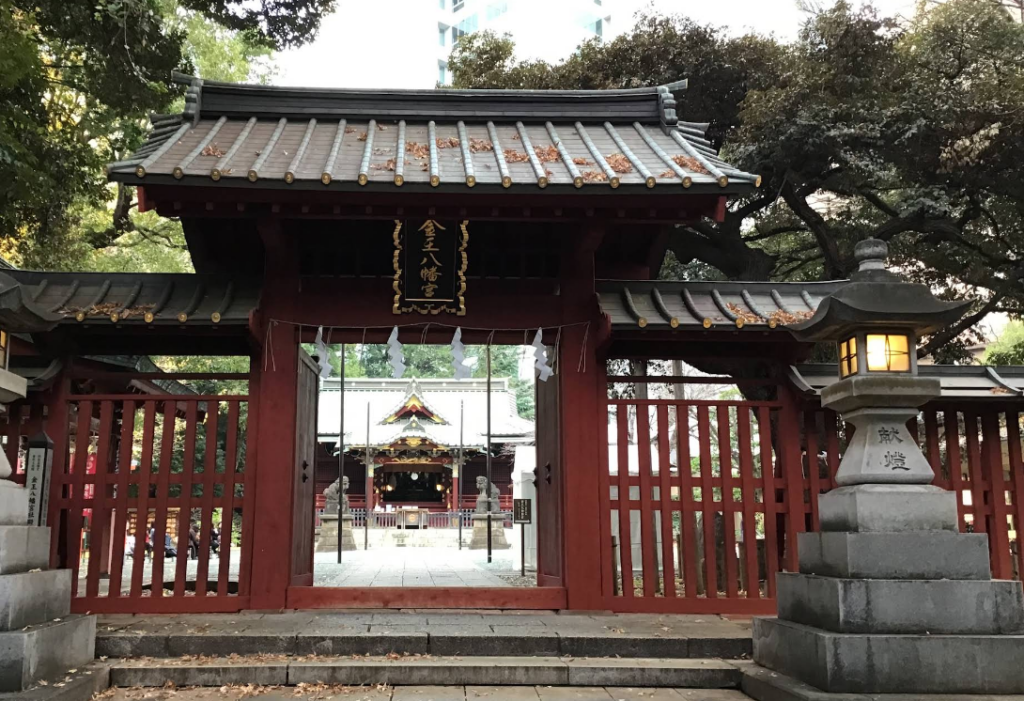
The Birthplace of Shibuya’s Legacy While the Scramble Crossing is the face of modern Shibuya, Konno Hachimangu is its soul. Built on the ruins of Shibuya Castle, this shrine dates back to 1092.
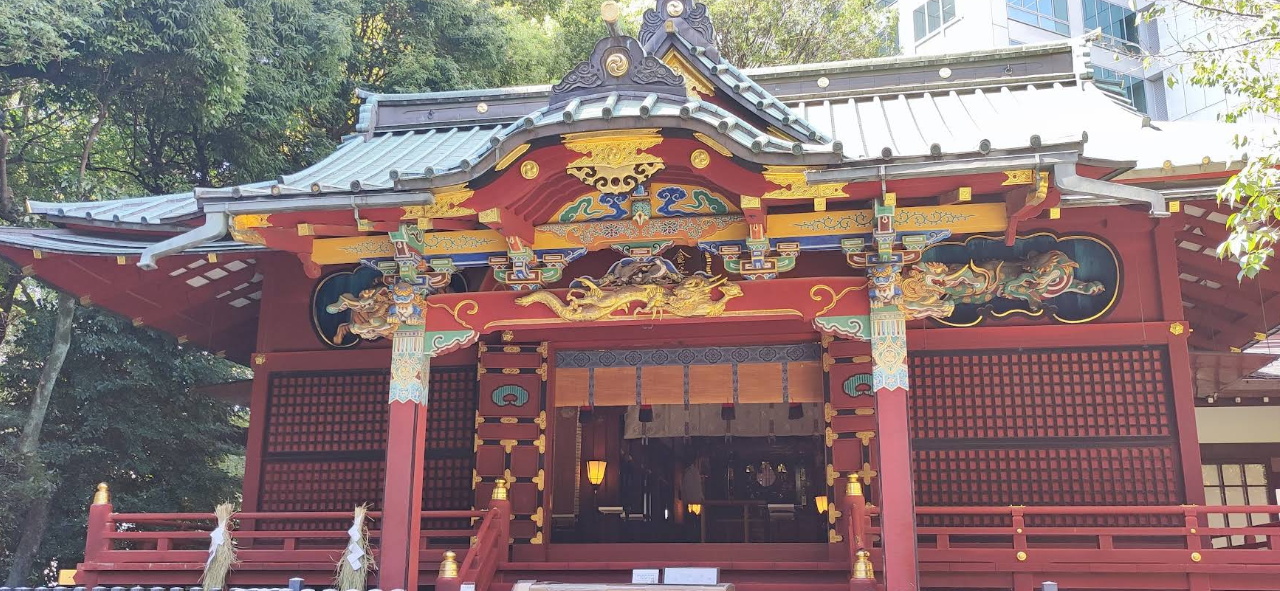
- Why Visit: It’s one of the few places in central Tokyo where you can see a 400-year-old building (built in 1612) that survived the fires of WWII. The colorful carvings of dragons and tigers on the main hall are breathtaking.
- The Vibe: A stunning contrast where a vibrant red shrine is framed by the sleek glass towers of Shibuya’s tech district.
- Location: 5-minute walk from Shibuya Station (East Exit).
GoogleMAP:Konno Hachimangu Shrine
2. Yoyogi Hachiman Shrine
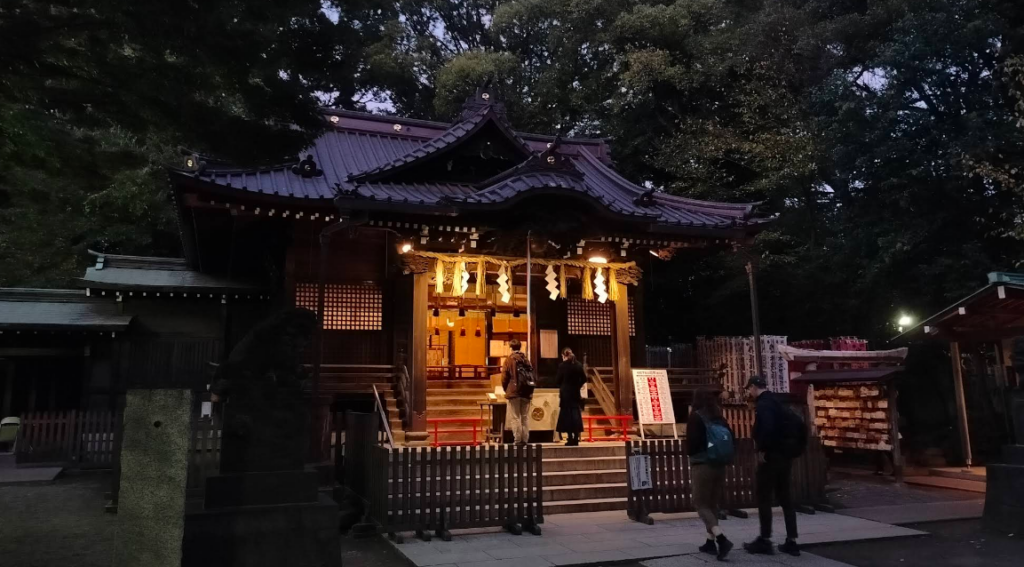
Where Ancient History Meets Modern “Power Spots” This shrine is perched on a lush, forested hill. It’s famous among Japanese locals as a “Power Spot”—a place believed to provide spiritual energy for career and business success.
- Why Visit: It features a reconstructed prehistoric dwelling from the Jomon Period (roughly 4,500 years ago), found right here on the grounds. It’s a rare chance to see how people lived in Tokyo before it was even a city.
- The Vibe: Thick greenery, stone stairs, and the smell of incense make it feel like you’ve entered a different century.
- Location: 5-minute walk from Yoyogi-Hachiman Station.
GoogleMAP:Yoyogi Hachiman Shrine
3. Hatomori Hachiman Shrine
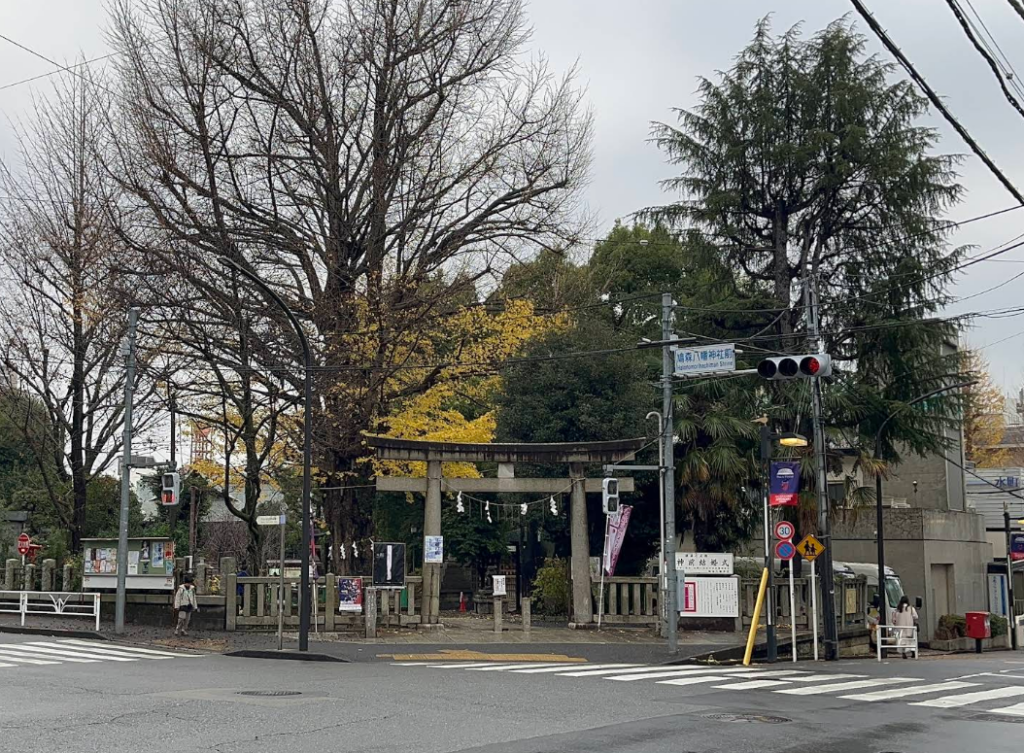
Climb “Mt. Fuji” in Just 3 Minutes If you don’t have time to hike the real Mt. Fuji, this shrine offers the next best thing: a Fujizuka. This is a miniature mountain made of real lava rocks brought from Mt. Fuji during the Edo period.
- Why Visit: Climbing this mound is spiritually equivalent to climbing the real peak. It’s a fun, interactive way to experience a centuries-old Japanese tradition.
- The Vibe: Charming and friendly. Being the “God of Shogi” (Japanese chess), it’s located near the National Shogi Hall, so look for the unique chess-themed prayer plaques.
- Location: 5-minute walk from Sendagaya Station.
GoogleMAP:Hatomori Hachiman Shrine
4. Toyokawa Inari Tokyo Betsuin
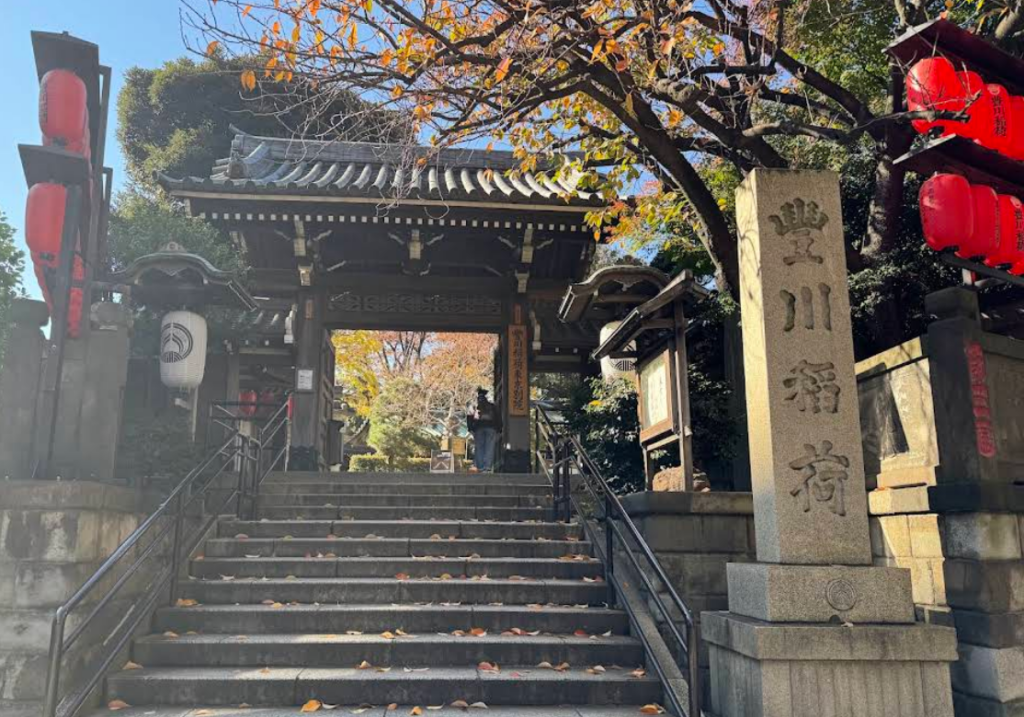
A Sea of Red Banners and Thousands of Foxes Technically a temple that feels like a shrine, this is one of the most visually stunning spiritual sites in the city. It is dedicated to the deity of prosperity and features thousands of fox statues (Kitsune).
- Why Visit: The “Fox Statue Hill” (Reiko-zuka) is filled with nearly 1,000 stone foxes wearing red bibs. It’s a slightly mysterious, incredibly photogenic spot that feels like a scene from a Studio Ghibli movie.
- The Vibe: Mystical and intense. The hundreds of fluttering red banners create a unique energy found nowhere else in Tokyo.
- Location: Located near Akasaka-Mitsuke (right on the edge of Shibuya/Minato ward).
GoogleMAP:Toyokawa Inari Tokyo Betsuin
5. Zenpuku-ji Temple
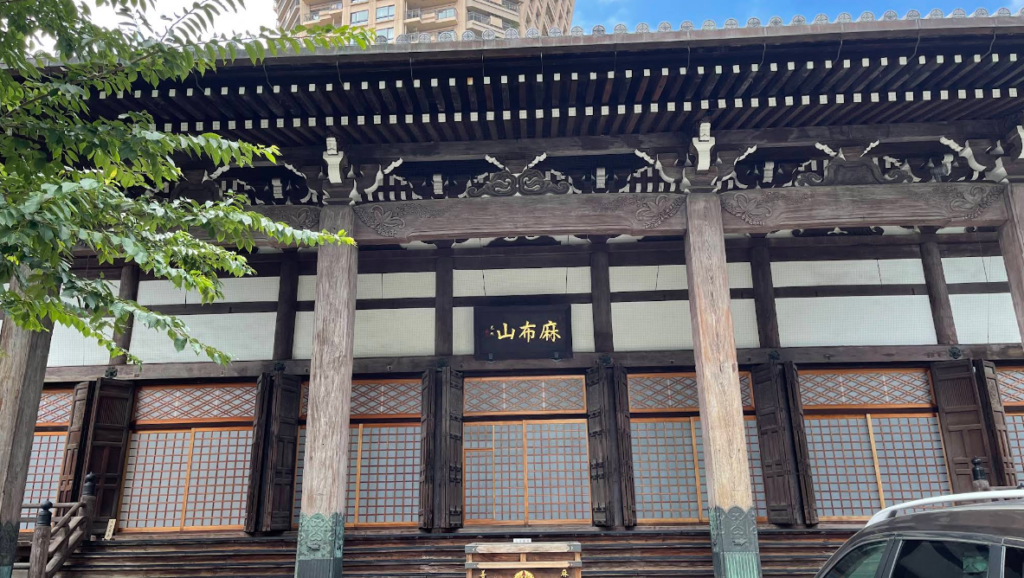
The Temple of the Giant Ginkgo Tree Founded by the famous monk Kobo Daishi in 824, this temple has a deep connection to international history—it served as the first U.S. Legation in Japan in the 19th century.
- Why Visit: It is home to a 750-year-old Ginkgo tree, the largest in Tokyo and a designated Natural Monument. It survived the Great Tokyo Air Raid of 1945 despite being scorched, making it a symbol of resilience.
- The Vibe: Quiet, grand, and historically significant. It’s a great place to reflect on Tokyo’s journey from a feudal town to a global capital.
- Location: Near Moto-Azabu/Hiroo area (accessible from the Shibuya side).
GoogleMAP:Zenpuku-ji Temple
Visitor Tips for Shibuya’s Sacred Sites
- Omikuji (Fortunes): Most of these shrines offer fortunes for 100-200 yen. Hatomori Hachiman is famous for its pigeon-shaped fortunes—very cute and great for souvenirs!
- Omamori (Amulets): Since Konno Hachimangu and Yoyogi Hachiman are “Power Spots,” their charms for “Victory” or “Success” are highly sought after.
- Photos: Always bow once at the gate (Torii) and avoid taking photos directly of the deity inside the main hall.