Beyond the Neon: 5 Spiritual Hidden Gems in Koto City
Beyond the Neon: 5 Spiritual Hidden Gems in Koto City
While the world flocks to the futuristic digital art of Toyosu, a short trip across the canal reveals a different side of Tokyo. Koto City is the heart of “Shitamachi” (Old Downtown), where tradition isn’t just a museum exhibit—it’s a living, breathing part of daily life. From ancient fire rituals to high-tech deities, here are five sacred spots you cannot miss.
1. Fukagawa Fudo-do (深川不動堂)
The Most Intense Sensory Experience in Tokyo
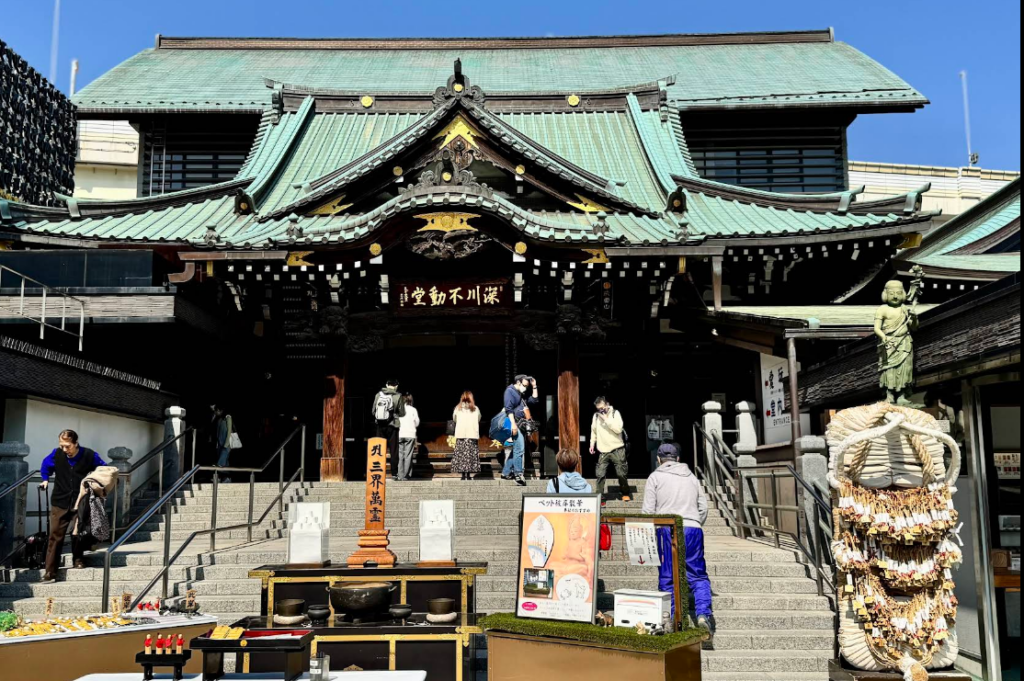
Forget the quiet, meditative image of Japanese temples. Fukagawa Fudo-do is loud, fiery, and deeply immersive. As the Tokyo branch of the famous Narita-san temple, it offers a dramatic look at Esoteric Buddhism.
- The Ritual: Don’t miss the Goma Fire Rite performed several times a day. Monks beat giant Taiko drums with incredible intensity while chanting and burning prayer sticks. The vibrations and the heat of the flames create a trance-like atmosphere.
- The Architecture: The main building is wrapped in a “Sanskrit Wall”—a black and gold facade covered in ancient Buddhist script. Inside, walk through the Crystal Corridor, lined with 10,000 miniature glowing statues.
- Why Visit: It’s a 10/10 for “Vibe.” It’s welcoming to everyone and provides an unforgettable cultural shock in the best way possible.
GoogleMAP:Fukagawa Fudo-do
2. Tomioka Hachimangu (富岡八幡宮)
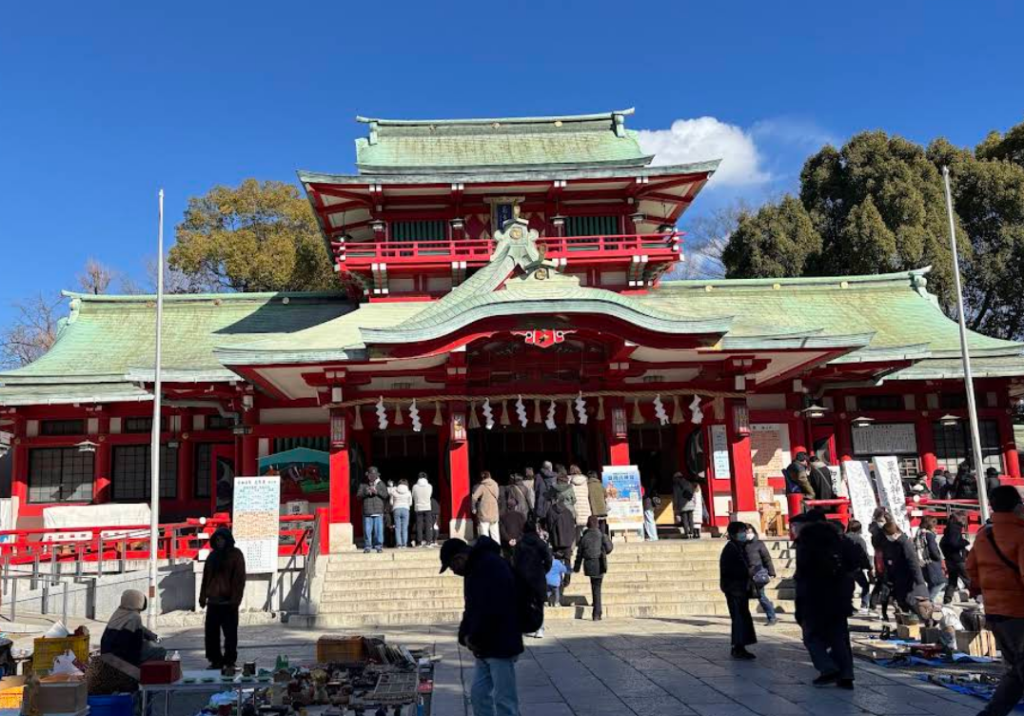
The Spiritual Home of Sumo Legends
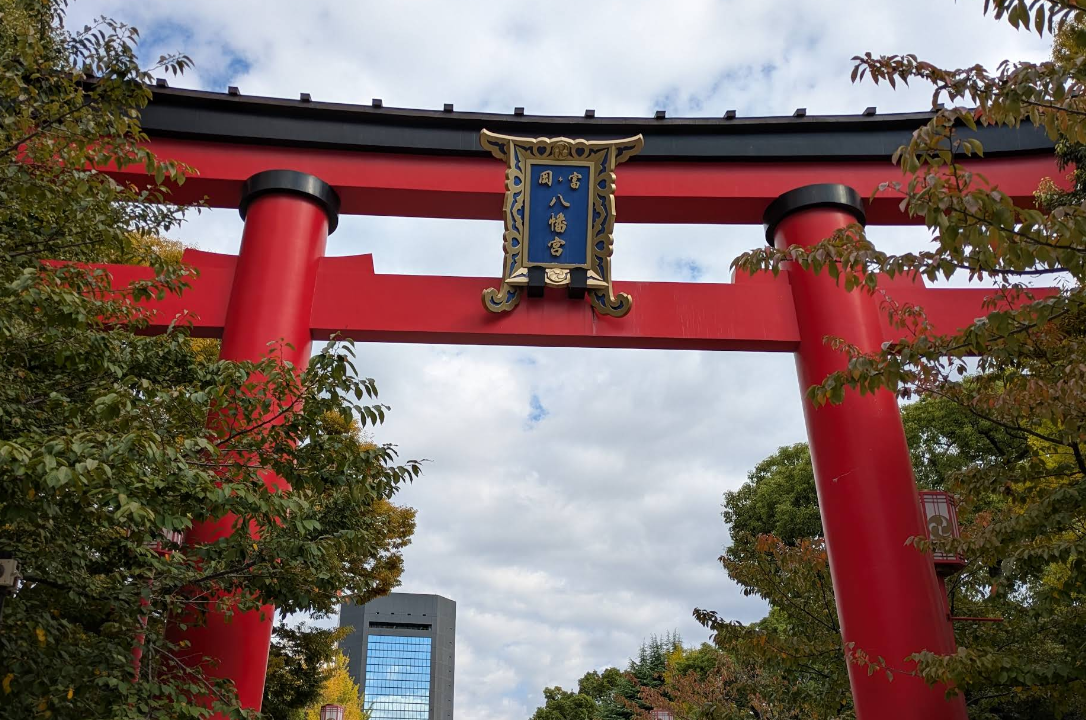
Located right next to Fukagawa Fudo-do, this is the largest Hachiman shrine in Tokyo. Founded in 1627, it’s a place of massive history and even more massive treasures.
- Sumo Heritage: For fans of Japanese sports, this is a pilgrimage site. Professional Sumo originated here. Look for the massive stone monuments engraved with the names of every Yokozuna (Grand Champion) in history.
- Golden Palanquins: The shrine houses the most expensive Mikoshi (portable shrines) in Japan. Adorned with diamonds, rubies, and solid gold, they are dazzling examples of Japanese craftsmanship.
- Why Visit: It feels “Imperial” and grand. The wide-open grounds are perfect for a peaceful walk away from the city’s concrete canyons.
GoogleMAP:Tomioka Hachimangu
3. Fukagawa Enmado / Hojoji (深川ゑんま堂)
-Google-マップ-1024x771.png)
The High-Tech Judge of the Underworld
This is where traditional Buddhism meets modern Japanese technology. Dedicated to Enma-sama, the King and Judge of Hell, this temple is quirky, slightly scary, and a total “Travel Hack.”
- The “Talking” Deity: Approach the massive, fierce statue of Enma and drop a coin into one of the specialized slots (for health, love, or career). The statue will light up and deliver a booming automated sermon (in Japanese, but the energy is unmistakable).
- The Murals: The walls are decorated with vibrant, folk-art paintings depicting the different levels of the afterlife. It’s like a 19th-century comic book of Heaven and Hell.
- Why Visit: It’s a great “Only in Japan” moment. It’s small, uncrowded, and makes for a fantastic story to tell your friends back home.
GoogleMAP:Fukagawa Enmado / Hojoji
4. Kameido Tenjin Shrine (亀戸天神社)
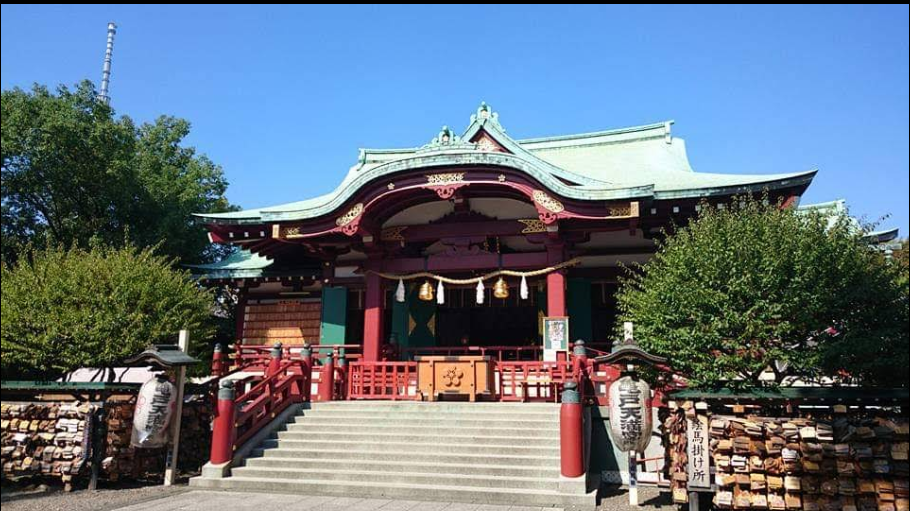
The Perfect Blend of History and the Sky Tree
Known as the “Kyoto of East Tokyo,” this shrine is dedicated to the God of Learning. It is famous for its beautiful water gardens and iconic views.
- The Red Arched Bridges: Three bridges span a large koi pond, representing the past, present, and future. Crossing them is a ritual of purification.
- Seasonal Beauty: Visit in late April for the Wisteria (Fuji) Festival. The purple flowers hanging over the red bridges with the Tokyo Sky Tree in the background is arguably the most iconic photo op in East Tokyo.
- Why Visit: It’s incredibly photogenic. Whether it’s plum blossoms in February or wisteria in April, this shrine is a masterpiece of landscape gardening.
GoogleMAP:Kameido Tenjin Shrine
5. Kameido Katori Shrine (亀戸香取神社)
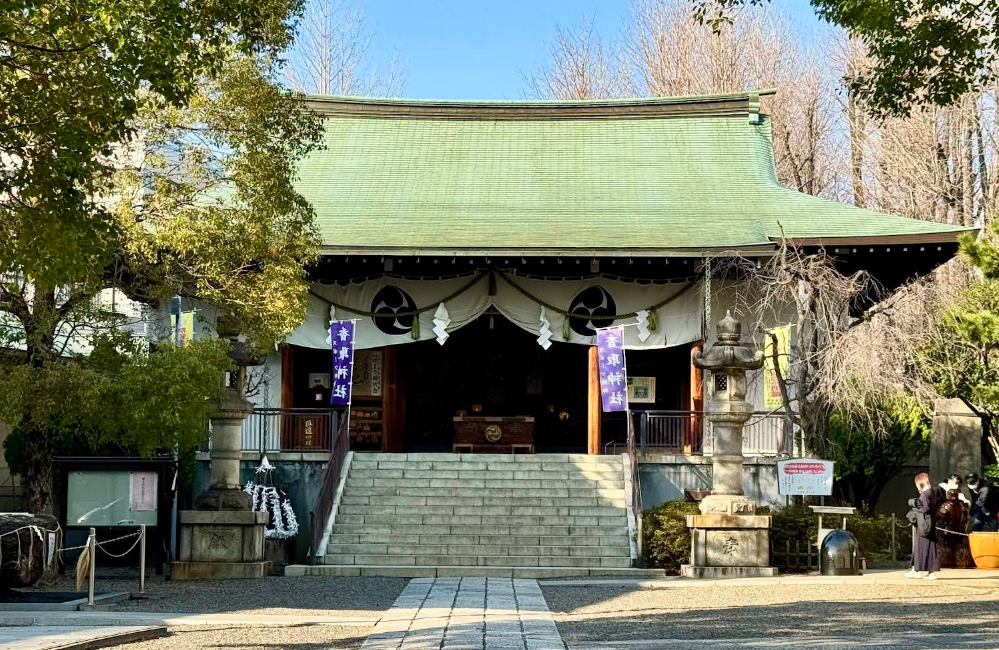
The Victory Shrine for Modern Warriors
If you have a personal challenge or a sport you love, this is your spot. For over 1,000 years, warriors—and now elite Olympic athletes—have come here to pray for victory.
- The White Stone Ritual: Pick up a small white stone from a basket, wash it with sacred water, and place it at the base of the shrine while making your wish for “Victory” (whether it’s a marathon or a business deal).
- The Sports Connection: Look at the prayer plaques (Ema)—you’ll see names of famous athletes seeking luck for their competitions.
- Why Visit: It has a quiet, focused energy. It’s less of a tourist spot and more of a “Power Spot” where you can feel the determination of the people who visit.
GoogleMAP:Kameido Katori Shrine
TOKYOTRAVELHACKS: Pro Tips for Koto City
- The “Two-Area” Strategy: These spots are clustered in two areas. Visit the first three in Monzen-nakacho, then take a quick bus or train north to Kameido for the last two.
- Goshuin (Calligraphy Stamps): All five locations offer beautiful Goshuin. The one at Fukagawa Fudo-do is particularly famous for its bold, black ink.
- Local Eats: In Monzen-nakacho, try Asari-meshi (clam rice), a local specialty that sustained the fishermen of Old Edo.