Beyond the Streets: Discovering Art, History, and Innovation in Tokyo’s Taito City
Beyond the Streets: Discovering Art, History, and Innovation in Tokyo’s Taito City
Taito City, embracing the vibrant districts of Ueno, Yanaka, and Asakusa, is the cultural heart of Tokyo. While many visitors flock to the area for its street food and shrines, the true essence of Japan is preserved within its world-class museums and galleries.
From Samurai blades and World Heritage architecture to high-tech science and intimate artist studios, here are five essential stops for your cultural pilgrimage.
1. Tokyo National Museum (TNM): The Epicenter of Japanese Heritage
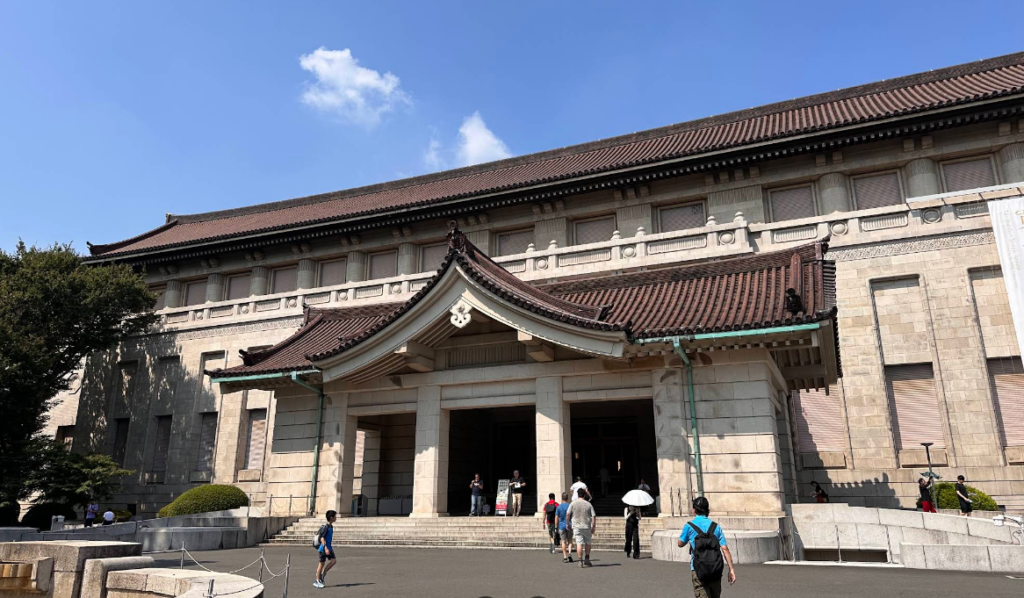
Commonly known as “Tohaku,” this is Japan’s oldest and largest museum, founded in 1872. If you only have time for one museum in Japan, this is it.
- The Collection: With over 120,000 items, including 89 National Treasures, Tohaku offers a complete timeline of Japanese history. You can stand inches away from ancient Jomon pottery, fierce Samurai armor, sharp Katana blades, and delicate Ukiyo-e prints.
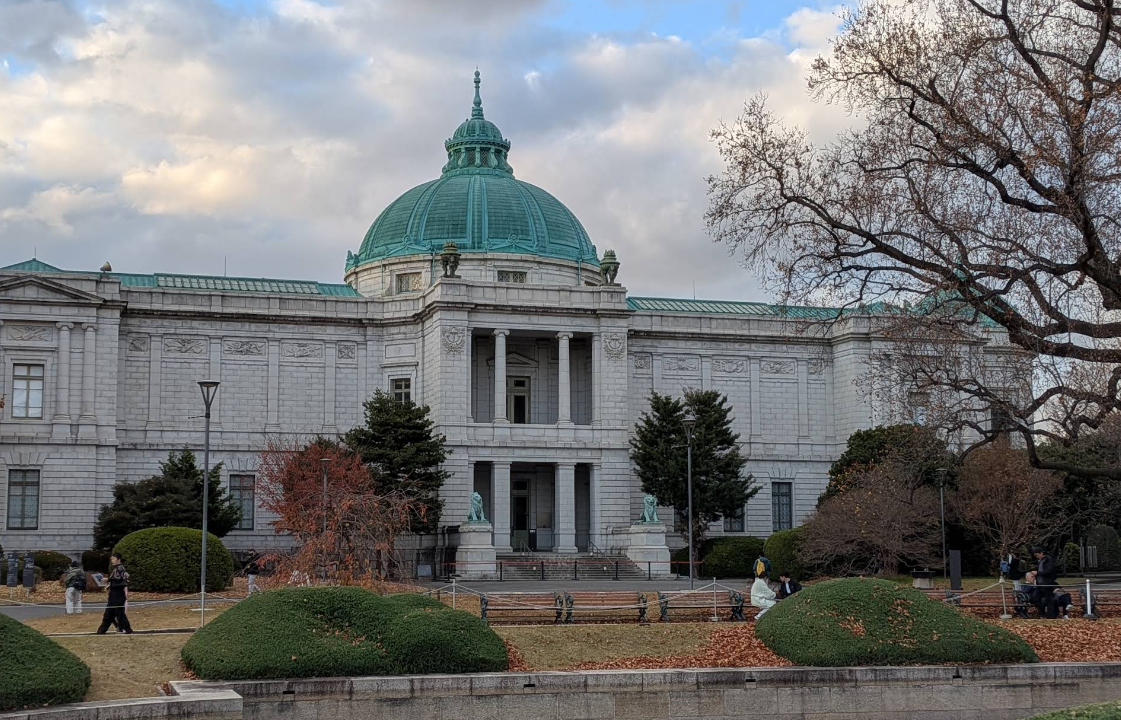
- Architectural Diversity: * Honkan (Main Gallery): A stunning example of “Imperial Crown Style”—Western-style stone walls topped with traditional Japanese tiled roofs. The grand marble staircase inside is a favorite for photographers.
- The Taniguchi Legacy: Modern architecture fans should visit the Gallery of Horyuji Treasures, designed by Yoshio Taniguchi (who also designed New York’s MoMA). Its minimalist, glass-and-steel serenity contrasts beautifully with the older buildings.
- Pro-Tip: Don’t miss the Japanese Garden behind the Honkan, which is open to the public during the cherry blossom and autumn leaf seasons.
GoogleMAP:Tokyo National Museum
2. The National Museum of Western Art (NMWA): A World Heritage Landmark
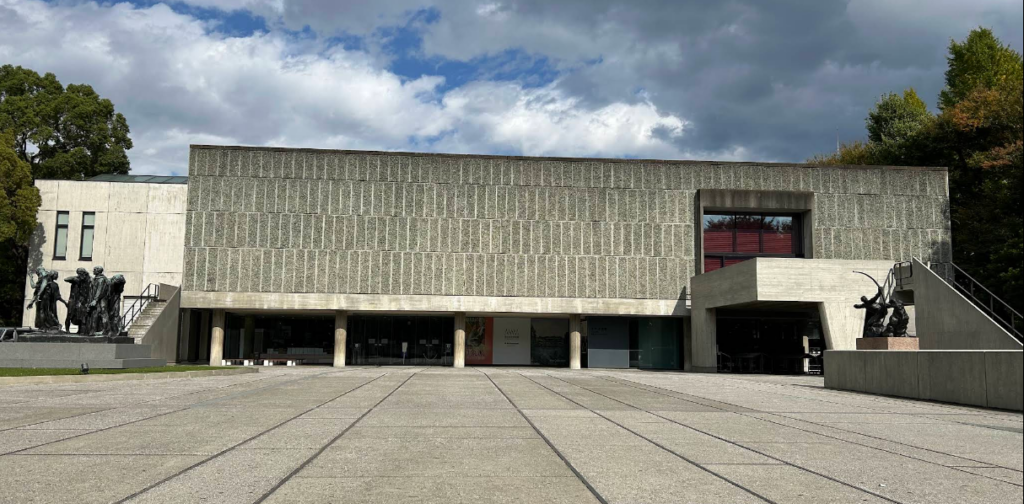
While it may seem surprising to visit a Western art museum in Tokyo, the NMWA is globally significant for its architecture and the incredible Matsukata Collection.
- The Architecture: The main building is a masterpiece by Le Corbusier, the father of modern architecture. It is a UNESCO World Heritage site, featuring his signature “Piloti” (pillars that lift the building) and a design based on the “Modulor” (a scale of proportions based on the human body).
- Masterpieces: Inside, you’ll find Claude Monet’s “Water Lilies,” along with works by Renoir, Picasso, and Van Gogh.
- The Garden Sculptures: Even without a ticket, you can admire Auguste Rodin’s iconic sculptures, including “The Thinker” and “The Gates of Hell,” displayed in the open-air courtyard.
GoogleMAP: The National Museum of Western Art
3. Asakura Museum of Sculpture: A Hidden Oasis in Yanaka
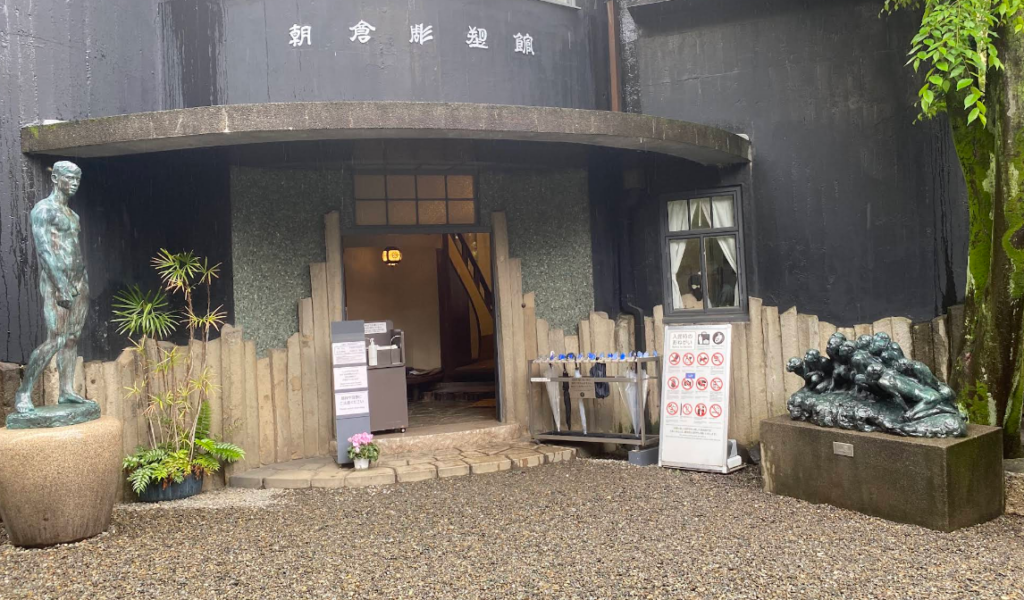
Located in the charming “Old Town” neighborhood of Yanaka, this was the home and studio of Fumio Asakura, the father of modern Japanese sculpture.
- East-Meets-West Design: Asakura designed the building himself. It features a striking contrast between the high-ceilinged, Western-style concrete studio and the elegant, wooden Japanese-style living quarters (Sukiya-zukuri).
- The Soul of the House:
- The Rooftop Garden: One of the earliest examples of urban greening in Tokyo, where Asakura’s students practiced gardening to refine their artistic senses.
- The Courtyard Pond: A water garden surrounded by the house, offering a peaceful view from every room.
- The Cat Collection: Asakura was a legendary cat lover. Be sure to look for his numerous, lifelike sculptures of cats—each capturing a different feline personality.
GoogleMAP:Asakura Museum of Sculpture
4. National Museum of Nature and Science: Dinosaurs and Hachiko
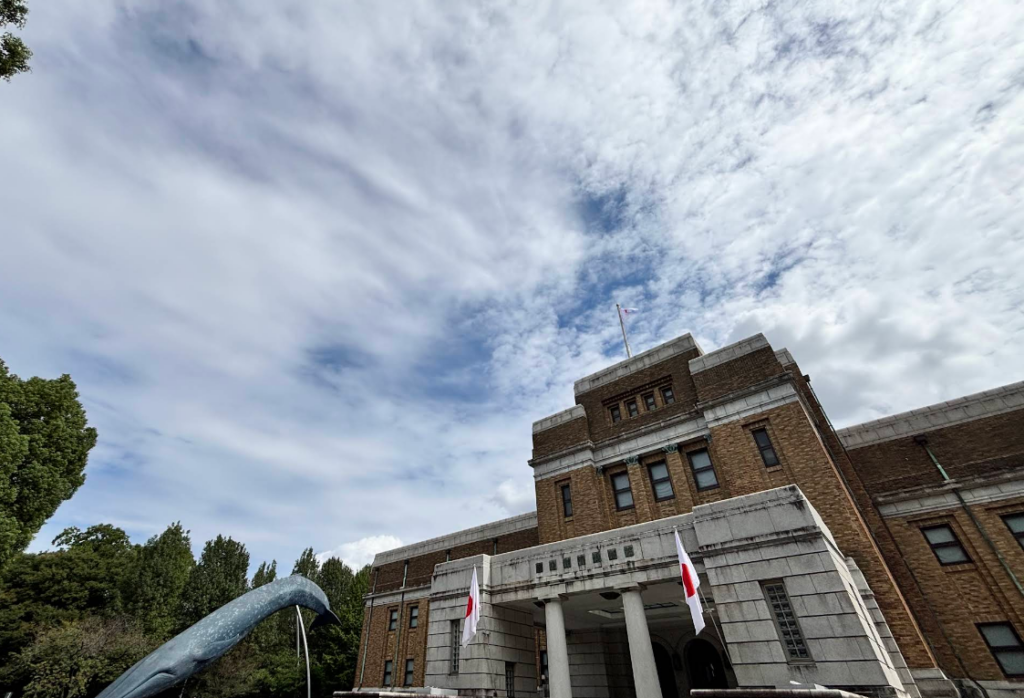
Identifiable by the life-sized Blue Whale model outside, this museum is a fascinating journey through the evolution of life and Japanese technology.
- The Highlights: From massive dinosaur skeletons to the stuffed remains of Hachiko (Japan’s most famous loyal dog), there is something for everyone.
- Japan Pavilion: The building itself is a neo-Renaissance jewel with beautiful stained-glass domes. It focuses on the unique geology and nature of the Japanese archipelago.
- Theater 360: Experience a 360-degree seamless movie theater where you stand on a glass bridge in the center of a sphere. It’s a dizzying, immersive journey through space and time.
GoogleMAP:National Museum of Nature and Science
5. Shitamachi Museum: Life in Old Tokyo
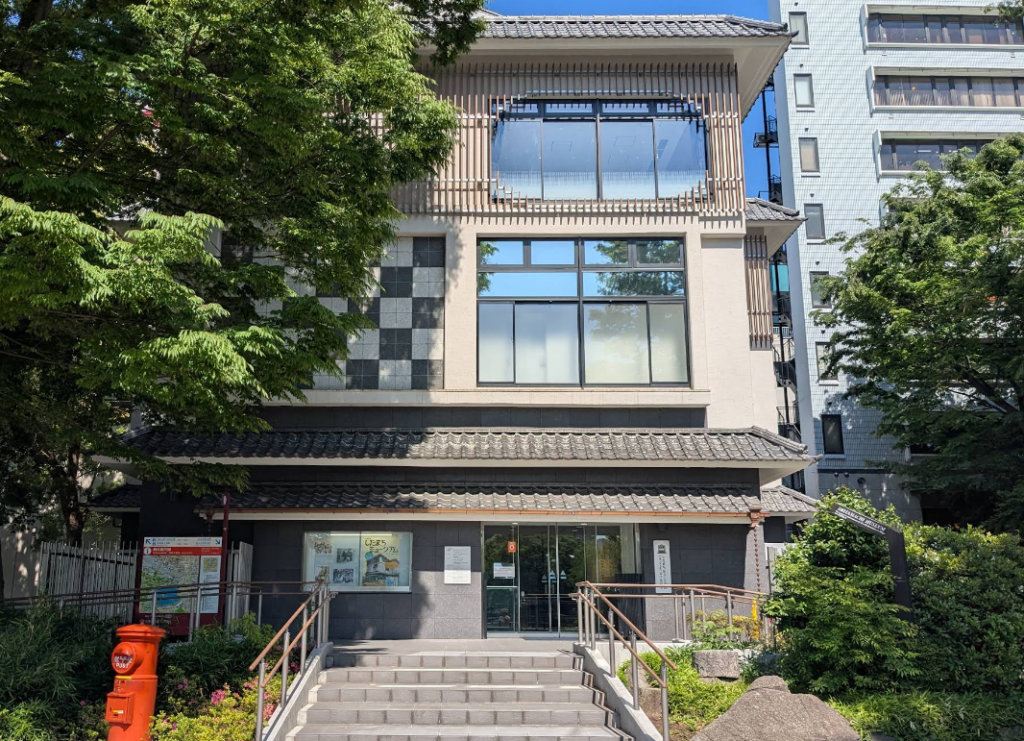
To understand the spirit of the people who built Tokyo, visit this cozy museum on the banks of Shinobazu Pond.
- Time Travel: Walk through life-sized recreations of a merchant’s house and a “Nagaya” (traditional apartment) from the early 20th century.
- Interactive Experience: Unlike most museums, you can actually step inside the rooms and touch the household tools used by commoners a hundred years ago. It’s a nostalgic look at a simpler, communal way of life that still influences Japanese culture today.
GoogleMAP:Shitamachi Museum
Plan Your Visit
| Museum | Focus | Best For |
| Tokyo Nat’l Museum | Japanese History | Samurais & Art lovers |
| NMWA | Western Art | Architecture & World Heritage fans |
| Asakura Museum | Sculpture/House | Zen seekers & Cat lovers |
| Nature & Science | Science/Biology | Families & Tech enthusiasts |
| Shitamachi Museum | Culture/Life | History buffs & Photographers |