Savoring Asakusa: A Culinary Journey Through Edo Traditions and Modern Delights
の無料の写真素材-ID.26930|フリー素材-ぱくたそ-1280x720.jpg)
Asakusa is much more than just a district in Tokyo; it is a living museum where the spirit of the Edo period (1603–1867) breathes alongside the creative pulse of 21st-century Japan. While the majestic Senso-ji Temple draws millions of visitors, the true soul of Asakusa lies in its culinary landscape.
From 200-year-old loach hotpots to chic cafes serving artisanal miso soup, eating in Asakusa is a journey through time. Here is your definitive guide to experiencing the best flavors this historic neighborhood has to offer.
1. Step Back in Time: The Heritage of Edo Cuisine
To eat in Asakusa is to taste history. Many of the restaurants here have been family-run for centuries, preserving recipes that were enjoyed by samurai and merchants long ago.
Komagata Dozeu: The Flavor of 1801

If you want to feel like a time traveler, head to Komagata Dozeu. Specializing in dozeu nabe (loach hotpot), this institution has stood its ground since 1801. You’ll dine on tatami mats at low wooden tables, much like the locals did 200 years ago. The loach is simmered until tender in a rich miso-based broth—be sure to top it with a generous mountain of sliced green onions for the authentic experience.
GoogleMAP:Komagata Dozeu
Asakusa Imahan: The Gold Standard of Sukiyaki
-浅草(東武・都営・メトロ)すき焼き-食べログ.jpg)
Founded in 1895, Asakusa Imahan is synonymous with luxury Japanese beef. If you are looking to splurge on premium Japanese Black Wagyu, this is the place. Their secret warishita (a salty-sweet simmering sauce) brings out the umami of the marbled beef.
- Pro Tip: Dinner can be pricey, but their lunch sets offer a more accessible way to experience world-class Sukiyaki.
GoogleMAP:Asakusa Imahan
Unagi Komagata Maekawa & Sansada
For those who love seafood, Unagi Komagata Maekawa offers grilled eel with a side of spectacular views. Overlooking the Sumida River and the Tokyo Skytree, it’s the perfect blend of old-world flavor and new-world skyline. Meanwhile, Sansada (established in 1837) serves what many consider the ultimate comfort food: Tempura. Their “Jo-Tendon” is a masterclass in deep-frying, using fragrant sesame oil that gives the batter a unique, nutty aroma.
GoogleMAP:Unagi Komagata Maekawa
2. “Yoshoku”: Japan’s Unique Take on Western Classics
In the early 20th century, Japan began adapting Western dishes to local tastes, creating a genre called Yoshoku. Asakusa is the undisputed capital of this nostalgic soul food.
Yoshikami: “Too Good, We’re Sorry!”
The cheeky slogan of Yoshikami says it all. This retro diner, open since 1951, feels like a movie set. The chefs in tall white hats work with lightning speed in an open kitchen. Their Beef Stew is legendary—dark, rich, and simmered to perfection. Their Omelet Rice (Omurice), wrapped in a thin, flawless egg skin, is a lesson in culinary technique.
GoogleMAP:Yoshikami
Grill Grand
A bit further from the main temple crowds, Grill Grand is a beloved third-generation family spot. Whether you prefer the nostalgic tang of ketchup or the sophisticated depth of demi-glace sauce on your Omurice, this restaurant offers a warm, “home-cooked” elegance that defines Japanese hospitality.
GoogleMAP:Grill Grand
3. The New Wave: Modern Cafes & Creative Concepts
While Asakusa honors its past, it doesn’t shy away from innovation. Modern cafes are popping up, blending traditional ingredients with contemporary aesthetics.
MISOJYU: Miso Soup Reimagined
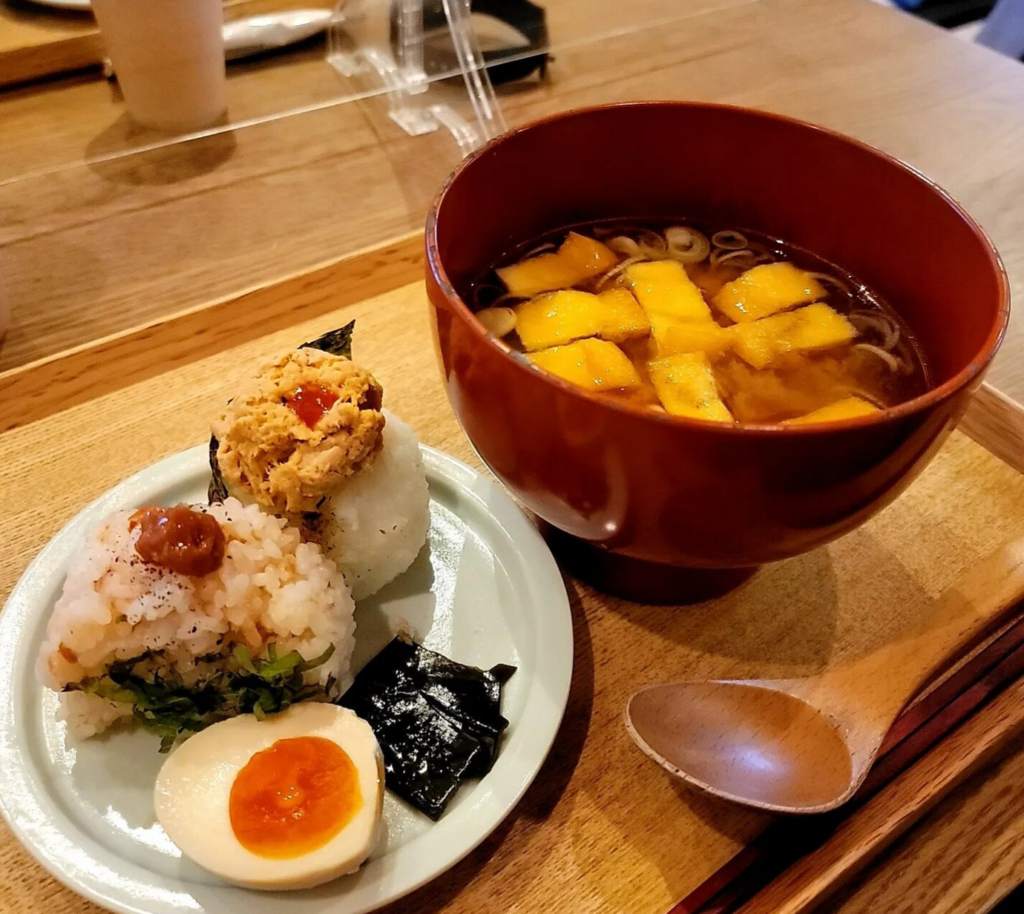
Miso soup is usually a side dish, but at MISOJYU, it is the star of the show. Produced with the artistic touch of calligrapher Takeda Souun, this shop serves “gourmet” miso soup. Think large chunks of organic vegetables, tender braised pork, and innovative seasonings. It’s a healthy, hearty, and incredibly “Instagrammable” way to start your day.
GoogleMAP:MISOJYU
FEBRUARY CAFE: The Perfect Toast
This cozy, stylish spot is famous for its collaboration with Bread Pelican, a legendary local bakery. Getting a loaf from Pelican itself is a challenge (they sell out by dawn!), but at February Cafe, you can enjoy their thick-cut toast perfectly browned and topped with high-quality butter. Pair it with a masterfully brewed latte for the ultimate Asakusa morning.
FEBRUARY KITCHEN: Located near the Hanayashiki amusement park, this branch offers a more substantial menu. Beyond the famous toast, they are known for their decadent puddings and colorful “Griddle Sandwiches.” It’s a perfect spot for a brunch that feels like a celebration.
FEBRUARY COFFEE ROASTERY: For the true caffeine purist. As the name suggests, they roast their own beans here. The industrial-chic interior is the ideal place to enjoy a specialty pour-over while watching the roasting process.
GoogleMAP:FEBRUARY CAFE
GoogleMAP:FEBRUARY KITCHEN
GoogleMAP:FEBRUARY COFFEE ROASTERY
4. Iconic Treats: The Sweet Side of Asakusa
You cannot leave Asakusa without “tabearuki” (eating while walking)—though it is polite to stand still while you enjoy your snacks!
- Asakusa Kagetsudo (Jumbo Melonpan): These aren’t your average bread rolls. Fermented for three hours, these “Melonpan” are huge, airy, and topped with a crunchy cookie crust. They sell 3,000 a day for a reason!
GoogleMAP:Asakusa Kagetsudo
- Asakusa Umezono: For a deep dive into Japanese sweets, visit this shop founded in 1854. Try the Awa-zenzai—a warm, sticky millet mochi served with a rich, dark red bean paste. It is a taste of pure tradition.
GoogleMAP:Asakusa Umezono
- Fruit Parlor Goto: If you prefer something refreshing, this former fruit shop creates seasonal fruit parfaits that look like edible sculptures. Each piece of fruit is selected at its peak ripeness.
GoogleMAP:Fruit Parlor Goto
Tips for Your Asakusa Food Adventure
- Walk the Side Streets: While Nakamise-dori is the most famous street, the best hidden gems are found in the narrow alleys like Denpo-in Street.
- Timing is Everything: Popular spots like Yoshikami and Imahan often have long queues. Arrive 20 minutes before opening or try to visit on a weekday.
- The Night View: After a heavy dinner, walk back to Senso-ji Temple. The crowds disappear, and the temple’s five-story pagoda is beautifully illuminated until 11:00 PM. It is the most peaceful and photogenic time to visit.
Whether you are biting into a crispy piece of tempura that follows a 180-year-old recipe or sipping a latte in a minimalist cafe, Asakusa offers a feast for all your senses. It is a place where every meal tells a story.
What will your first bite in Asakusa be? Let us know in the comments below!


カフェ-食べログ-320x180.jpg)