Senso-ji: Discovering Tokyo’s Oldest and Most Iconic Temple
Senso-ji: Discovering Tokyo’s Oldest and Most Iconic Temple
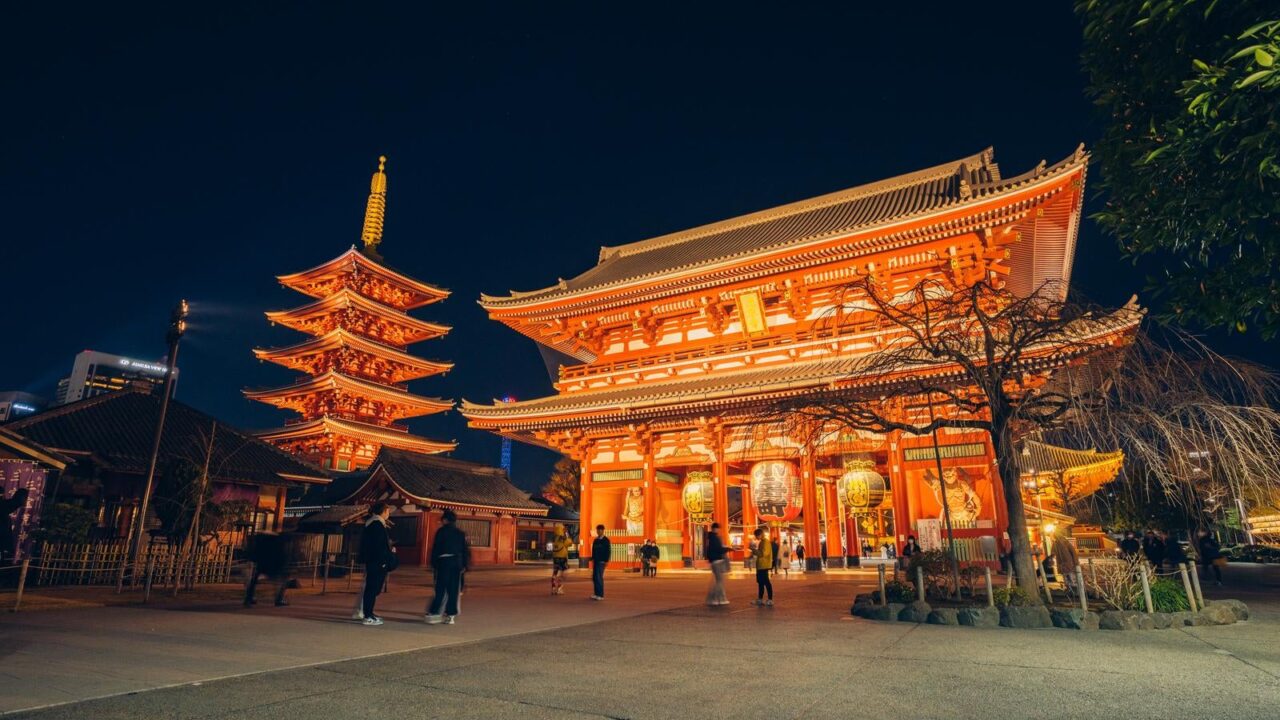
Senso-ji is Tokyo’s oldest and most iconic temple. Dedicated to the Bodhisattva Kannon, it is affectionately known as “Asakusa Kannon” and attracts approximately 30 million visitors every year.
1. Overview and History
- Founded: Established in 628 AD, making it the oldest temple in Tokyo.
- Principal Deity: Sho-kanzeon Bosatsu (the Goddess of Mercy).
- Devotion: Throughout history, the temple has been a site of deep devotion for everyone from Shoguns like Tokugawa Ieyasu to the common people of the Edo period.
2. Key Highlights (Precinct Layout)
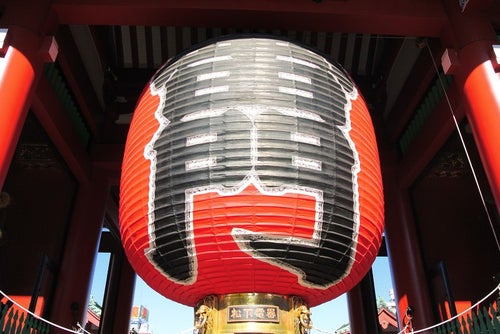
- Kaminarimon Gate (Thunder Gate): The entrance and symbol of Asakusa, featuring a massive 700kg red lantern.
- Nakamise-dori: A 250-meter street lined with 80 to 90 shops selling traditional souvenirs and local snacks.
- Hozomon Gate (Treasure House Gate): Houses guardian statues and massive 500kg straw sandals (O-waraji) to ward off evil.
- Five-Story Pagoda (Gojunoto): A 53-meter tall landmark, rebuilt in 1973.
- Jokoro (Large Incense Burner): Visitors bathe themselves in the smoke to improve their health.
- Kannon-do (Main Hall): The central building with stunning ceiling paintings of dragons and flower petals.
- Rokkakudo: The oldest wooden structure on the temple grounds (dating back to the 16th century).

Discover Nakamise-dori: A Journey Through Tokyo’s Oldest Shopping Street
Discover Nakamise-dori: A Journey Through Tokyo’s Oldest Shopping S...
3. Annual Events (Seasonal Traditions)
Senso-ji hosts various traditional events that have been celebrated since the Edo period:
- Hatsumode (New Year’s Visit) – Jan 1st to 3rd: Millions of people visit to offer their first prayers of the year.
- Setsubun – Feb 3rd: A ceremony to drive away evil and invite good fortune. Senso-ji is famous for its “Seven Lucky Gods Dance.”
- Honzon Shigen-e & Kinryu-no-Mai (Golden Dragon Dance) – March 18th: A celebration of the temple’s founding. You can see a magnificent 18-meter golden dragon “dancing” to the sound of traditional music.
- Shiman-rokusen-nichi / Hozuki-ichi (Ground Cherry Market) – July 9th & 10th: It is believed that visiting on these days is equivalent to 46,000 days of prayer. The grounds are filled with stalls selling Hozuki (ground cherry) plants.
- Hagoita-ichi (Battledore Fair) – Dec 17th to 19th: A year-end tradition where ornamental wooden paddles (Hagoita) are sold to bring good luck for the coming year.
4. How to Enjoy Your Visit
- Estimated Time: A standard walk-through takes about 45 minutes.
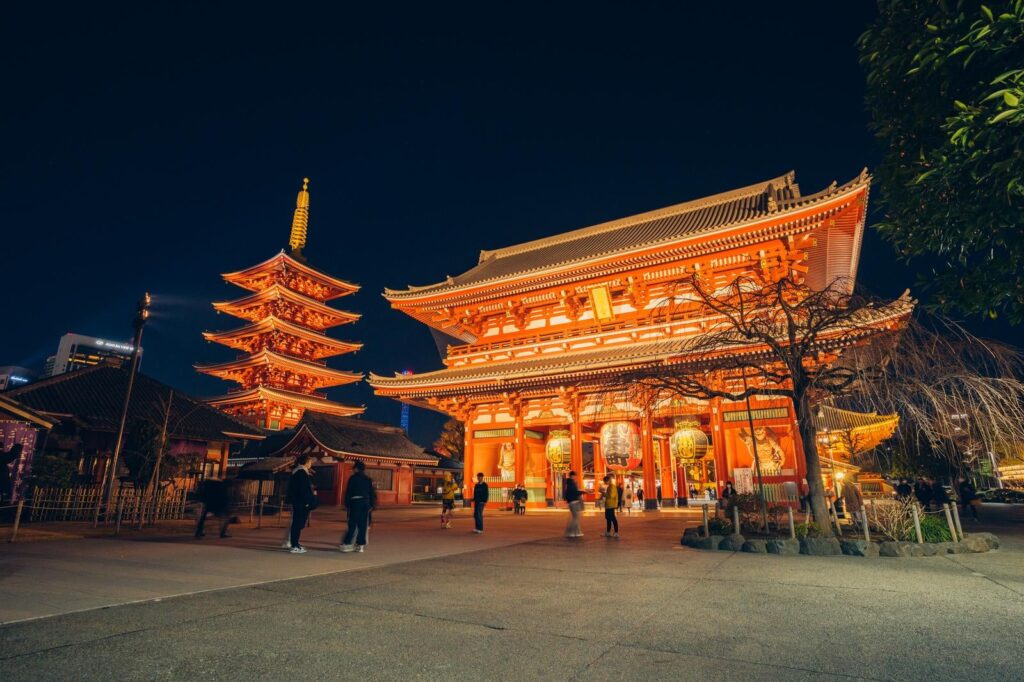
- Night Illumination: From sunset until 11:00 PM, the Main Hall and Pagoda are beautifully lit up, offering a mystical atmosphere.
Foodie Tip: Popular snacks like “Asakusa Menchi” (minced meat cutlets) and “Agemanju” (fried sweet buns) can be found along Nakamise-dori and the nearby Denboin-dori. Enjoying these local delicacies while exploring the area is one of the true highlights of a trip to Senso-ji!
の無料の写真素材-ID.26930|フリー素材-ぱくたそ-320x180.jpg)
Savoring Asakusa: A Culinary Journey Through Edo Traditions and Modern Delights
Asakusa is much more than just a district in Tokyo; it is a living ...
カフェ-食べログ-320x180.jpg)
The Ultimate Asakusa Cafe Guide: From Nostalgic "Kissaten" to Tokyo’s Brooklyn
Asakusa is a district where time seems to fold in on itself. One mo...

Beyond Sightseeing: Immersive Experiences and Traditional Crafts in Asakusa & Kuramae
Asakusa is famous for its ancient temples and vibrant street food, ...