The Ultimate Asakusa Cafe Guide: From Nostalgic “Kissaten” to Tokyo’s Brooklyn
カフェ-食べログ.jpg)
Asakusa is a district where time seems to fold in on itself. One moment you are standing before the crimson grandeur of Senso-ji Temple, and the next, you are tucked away in a quiet alleyway, sipping a pour-over coffee in a renovated 19th-century warehouse.
For the modern traveler, Asakusa offers a unique “Cafe Culture” that you won’t find in Shinjuku or Shibuya. It is a blend of Kissaten (traditional Japanese teahouses), legendary bakeries, and chic riverside hangouts. Here is your curated guide to the best cafe experiences in Asakusa and the nearby “Brooklyn of Tokyo,” Kuramae.
1. Step into the Golden Era: Nostalgic “Kissaten”
Before there were modern espresso bars, Japan had Kissaten. These are vintage coffee shops where time slows down, often featuring dark wood, classical music, and mastered simple crafts.
|大正時期創業昭和2年落腳・淺草新仲見世通近百年老舖喫茶店-日和Hiyori.jpg)
- Coffee Hatoya: Stepping here is like walking into a 1920s film. With over 90 years of history, this shop is a local sanctuary. Their sandwiches and pancakes follow recipes passed down through generations—simple, honest, and nostalgic.
GoogleMAP:offee Hatoya
- Funawa Cafe: If you want to try traditional Japanese flavors in a modern setting, come here. Funawa is famous for Imo-yokan (sweet potato paste). At their cafe, they transform this traditional treat into parfaits, puddings, and cakes. It’s the perfect bridge between old-world sweets and modern desserts.
GoogleMAP:Funawa Cafe
2. The Bakery Capital: Artisanal Bread Cafes
Asakusa is home to some of the most famous bread in Japan. The star of the show is Bread Pelican, a bakery that has focused on just two types of bread since 1942.
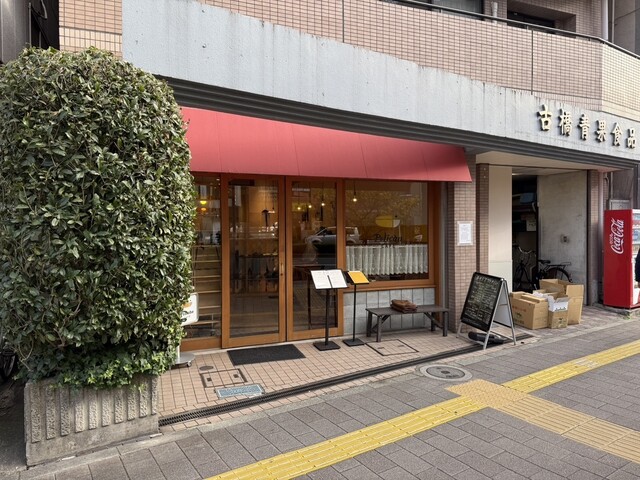
- Pelican Cafe: Directly operated by the bakery, this is where you go to experience their bread at its best. Their toast is grilled over white charcoal, giving it a smoky aroma and a chewy, dense texture that is addictive.
GoogleMAP:Pelican Cafe
- SUKE6 DINER: Located near the river, this diner uses bread from their upstairs bakery, “Manufacture.” It feels like a New York loft, offering fresh veggie-heavy dishes and hearty meats. It is one of the best spots in town for an all-day brunch.
GoogleMAP:SUKE6 DINER
3. Hidden Gems: Renovation & Heritage Spaces
Asakusa’s architecture tells a story. Some of the coolest cafes are housed in buildings that have survived decades of change.
-浅草(つくばEXP)カフェ-食べログ.jpg)
- Café Otonova: A 60-year-old traditional house (kominka) turned into a lush, antique-filled sanctuary. With beautiful music and a menu featuring handmade pasta, it’s a perfect escape from the midday temple crowds.
GoogleMAP:Café Otonova
- Gohan × Cafe Madei: Located across from the tranquil Matsuchiyama Shoden temple, “Madei” comes from a regional word meaning “with care.” They specialize in healthy “Teishoku” (set meals) highlighting Daikon radish. It’s a peaceful spot for a mindful lunch.
GoogleMAP:Gohan × Cafe Madei
4. A Short Stroll to Kuramae: The “Brooklyn” of Tokyo
If you have a little extra time, walk 15 minutes south of Asakusa to Kuramae. This former warehouse district is now a hub for artisans and specialty coffee.

- Dandelion Chocolate Factory & Cafe: Hailing from San Francisco, this bean-to-bar chocolate factory is a dream. Located in a renovated 60-year-old warehouse, you can smell the roasting cocoa beans as you enjoy a hot chocolate or a Kuramae-exclusive pastry.
GoogleMAP:Dandelion Chocolate Factory & Cafe
Pro-Tips for the Asakusa Cafe Crawler
- Morning is Best: Places like Pelican Cafe and Benizuru fill up fast. Start your day early (around 8:30 or 9:00 AM) to secure your spot.
- Cash is King: While modern spots like Dandelion or February Cafe accept cards, many of the older Kissaten like Hatoya are cash only.
- The “Stroll” Culture: Asakusa and Kuramae are best explored on foot. Wear comfortable shoes! After your cafe visit, walk along the Sumida River for a great view of the Tokyo Skytree

の無料の写真素材-ID.26930|フリー素材-ぱくたそ-320x180.jpg)